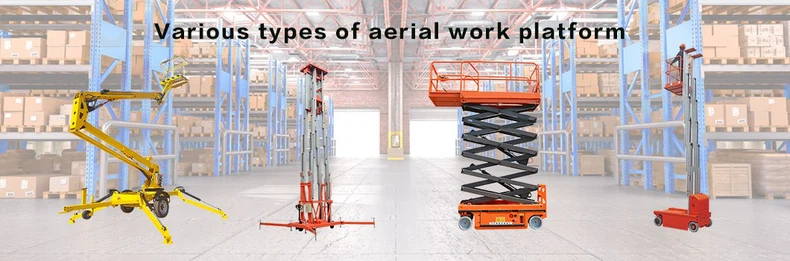


An articulated boom lift, often used in construction, maintenance, and other elevated work environments, is designed to safely raise workers and equipment to significant heights. One of the most critical aspects of its operation is maintaining levelness throughout its use. This stability is paramount for both the safety of the workers on the platform and the overall functionality of the machine.
At its core, the articulated boom lift's ability to maintain levelness relies on a combination of sophisticated engineering, hydraulic systems, and safety mechanisms. When the lift is deployed on uneven ground, it uses its built-in leveling system to compensate for the incline or decline of the surface. The most common system employed for this purpose is hydraulic outriggers, which are extendable legs or stabilizers that can adjust independently to ensure the base of the lift remains level.
The hydraulic outriggers work by extending downwards from the chassis until they meet the ground. Sensors integrated into the system continuously monitor the pressure exerted by each outrigger and the overall orientation of the platform. These sensors feed data back to the machine's control system, which automatically adjusts the position of the outriggers to keep the platform level. In more advanced models, there are gyroscopes or inclinometers that provide real-time feedback, ensuring the lift remains stable even if the surface shifts slightly during operation.
Additionally, articulated boom lifts are equipped with a center of gravity control system. The machine's articulated arm, which can bend and rotate at various points, is carefully designed so that the weight is distributed in such a way that the center of gravity remains within safe operating limits. If the lift begins to tilt beyond a safe angle, the system will alert the operator or even shut down the lift's movement to prevent further instability.
Another critical component is the electronic control systems integrated into modern lifts. These systems are programmed with safety algorithms that prevent the lift from extending or retracting in an unsafe manner. For example, if the platform becomes uneven or if one of the outriggers loses contact with the ground, the control system may lock the boom's movement to prevent tipping or other accidents.
In summary, the ability of an articulated boom lift to maintain its levelness during use is achieved through a combination of hydraulic outriggers, center of gravity management, and real-time feedback from sensors. These components work together to ensure the machine remains stable, even on uneven or shifting surfaces, providing a safe working environment for operators at height.


Hot Tags: aerial trailer mounted lifts, China, manufacturers, suppliers, factory, customized, buy, cheap, for sale, made in China