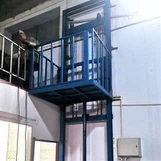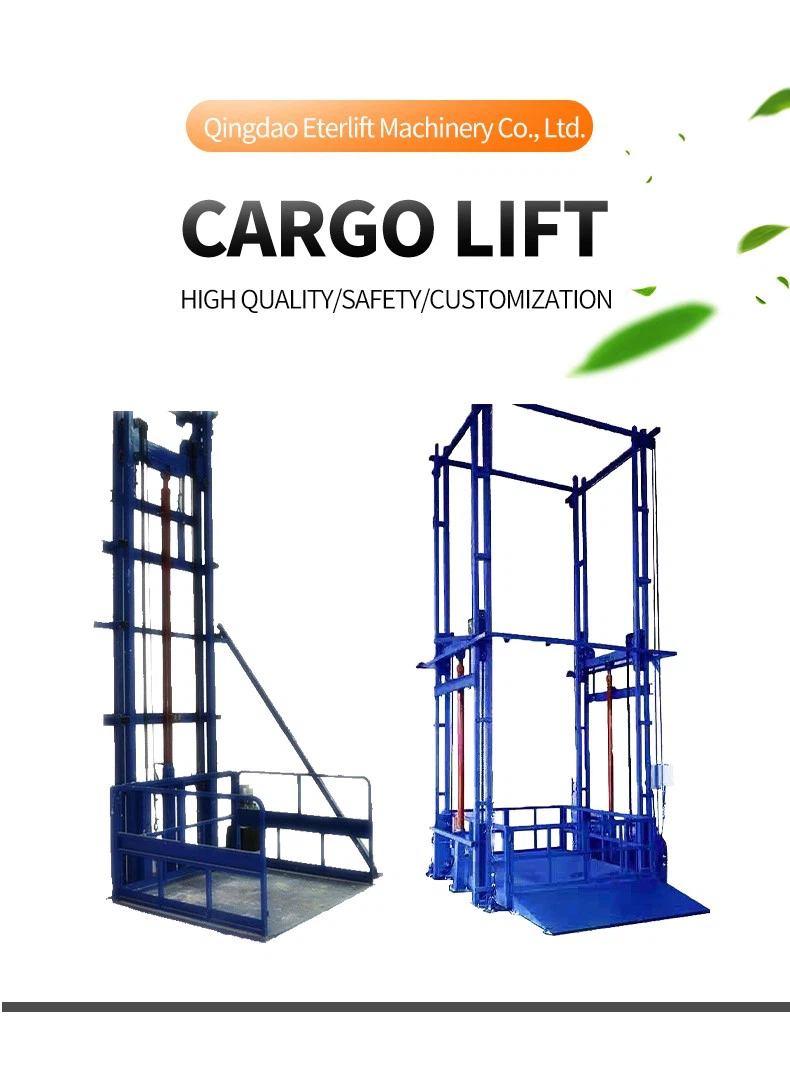


A wall-mounted goods lift, also known as a vertical material lift or freight elevator, is designed to transport goods vertically in warehouses, factories, or commercial buildings. The installation process involves securely attaching the lift to the wall to ensure stability, safety, and reliable operation. Here's a detailed breakdown of how a wall-mounted goods lift is typically fixed to a wall:
Before installation, a structural assessment of the wall is conducted to ensure it can support the lift's weight and the load it will carry. This involves checking the material and thickness of the wall, as well as determining if any reinforcements are necessary. The lift's load capacity and the weight of the goods being transported are critical considerations during this phase.
The primary method of securing the goods lift to the wall is through mounting brackets. These brackets are usually made of steel or other high-strength materials, designed to bear both the weight of the lift and the dynamic loads during operation. The number of brackets and their spacing depends on the lift's size and load capacity.
The brackets are typically spaced at regular intervals along the height of the lift. This ensures even distribution of the load across the entire structure, reducing the risk of structural stress or failure.
Heavy-duty anchor bolts or chemical anchors are used to fix the brackets into the wall. These anchors penetrate deep into the wall to provide a firm hold, ensuring the lift remains securely attached even under load-bearing conditions.
Once the brackets are aligned with the lift's vertical rails, the next step is fixing them to the wall. This requires drilling holes into the wall to insert the anchor bolts. The bolts are then tightened using an industrial torque wrench to ensure they are securely fastened. In cases where the wall may not be strong enough, additional support structures such as steel reinforcements or beams may be introduced to provide extra stability.
With the mounting brackets securely in place, the vertical guide rails of the lift are attached to the brackets. These guide rails are crucial as they provide the track along which the lift car travels. The rails are bolted or welded to the brackets, ensuring they are perfectly aligned and straight, which is essential for smooth and safe operation.
During installation, safety considerations such as over-speed governors, braking systems, and load sensors are integrated into the lift's structure. These systems ensure that, in case of a malfunction, the lift won't fall or operate outside its intended speed limits.
After installation, the goods lift undergoes thorough testing and inspection. This includes checking the integrity of the mounting system, ensuring the lift operates smoothly without undue vibrations or noise, and verifying that all safety mechanisms are functioning properly.
In summary, fixing a wall-mounted goods lift involves careful planning and the use of high-strength materials to ensure the lift is securely attached to the wall. By following strict installation procedures and incorporating safety features, the lift can provide reliable and safe operation for transporting goods vertically.


Hot Tags: wall mounted goods lift, China, manufacturers, suppliers, factory, customized, buy, cheap, for sale, made in China