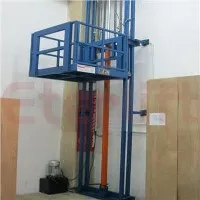
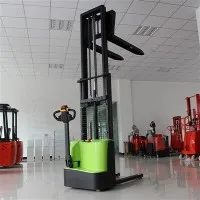
To configure and ensure the safe use of a self-propelled telescopic boom lift and prevent tilting, you need to address load, stability, and proper usage factors. Here's a detailed guide covering mechanical, operational, and safety configurations:
Key Configuration Areas to Prevent Tilting:
1. Understand the Load Capacity
Check Manufacturer Specifications:
Rated load capacity (e.g., 230 kg / 500 lbs).
Maximum horizontal and vertical reach.
Respect the Load Chart:
Do not exceed the rated capacity at any boom extension or angle.
Include operator + tools + materials in load calculation.
2.Boom Extension & Elevation Angle
The more the boom is extended horizontally, the more unstable the lift becomes.
Avoid full horizontal extension with heavy loads unless ground conditions are perfect and within design parameters.
3.Ground Conditions
Operate only on level, firm surfaces.
Use wheel chocks or outriggers if available.
Avoid soft, uneven, or sloped ground, especially during extension.
4.Use Tilt/Load Sensing Systems (if equipped)
Modern boom lifts are equipped with:
Tilt sensors that disable boom functions if the base exceeds safe tilt angles.
Overload sensors that alert or shut down movement when load exceeds safe limits.
These systems should be calibrated and tested regularly.
5.Use Platform Leveling System Properly
Most telescopic boom lifts have automatic or manual platform leveling.
Ensure the system is active and calibrated so the platform remains horizontal when the boom is extended.
6.Travel Position Guidelines
Never drive the lift with the boom elevated or extended, unless the machine is rated for that and you're on level ground.
Retract boom fully and lower it before moving to a new position.
7.Wind & Weather Considerations
Follow the manufacturer's maximum wind rating (usually 12.5 m/s or 28 mph).
Never use the boom lift in strong winds, rain, or gusty conditions that could unbalance it.
Common Causes of Tilting to Avoid:
| Cause | Risk |
|---|---|
| Overloading | Machine tip-over |
| Operating on slope | Side or rear tipping |
| Driving with extended boom | Toppling |
| Sudden movements | Instability |
| Wind gusts | Swaying, tipping |