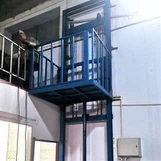
Car lift anti-collision pads (sometimes called buffer pads or rubber blocks) are important safety and protection components installed at the base or contact points of a car lift. Their role is to absorb impact, reduce vibration, and protect both the lift structure and the vehicle during lifting and lowering.
1. Material
High-strength rubber (most common): Durable, elastic, and resistant to compression and wear.
Polyurethane (PU) rubber: Offers higher wear resistance, tear resistance, and aging resistance compared to normal rubber.
Composite materials (rubber mixed with fiber or steel reinforcement): Used in heavy-duty lifts for added strength and load-bearing capacity.
The chosen material must withstand oil, grease, and temperature variations typically found in automotive workshops.
2. Replacement Frequency
The service life of anti-collision pads depends on usage intensity, vehicle weight, and workshop environment:
Standard use (light to medium vehicles, normal workshop conditions): Replace every 12–18 months.
Heavy use (frequent lifting of SUVs, trucks, or in busy repair shops): Inspect every 6 months and replace annually or sooner if significant wear is found.
Inspection criteria for replacement:
Pad thickness worn down by more than 30–40%.
Visible cracks, hardening, or deformation.
Slippage or poor shock absorption when in use.
3. Maintenance Tip
Check pads during routine lift inspections.
Clean off oil and debris regularly to slow down aging.
Always replace with manufacturer-approved pads to maintain safety compliance.


Hot Tags: 110v car lift, China, manufacturers, suppliers, factory, customized, buy, cheap, for sale, made in China