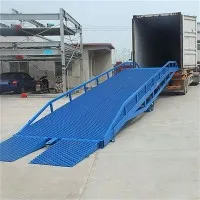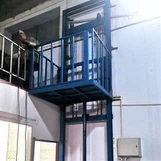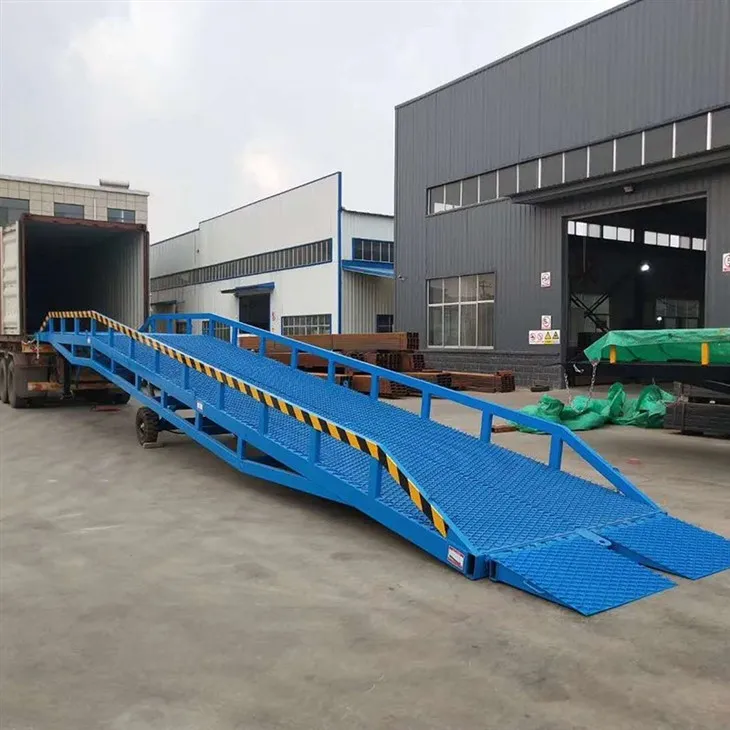


A mobile dock ramp and a stationary dock ramp both serve the same general purpose-providing access to loading docks, trucks, or other elevated surfaces-but they differ in terms of mobility, installation, and use cases. Here's a breakdown:
Mobile Dock Ramp:
Mobility: As the name suggests, these ramps are portable and can be moved from one location to another. This is ideal for businesses that need flexibility in where they load or unload.
Use Case: Great for companies with multiple docks or uneven ground. They're also useful for locations that need temporary or adjustable ramps.
Storage: Can be stored away when not in use.
Design: Typically has wheels or casters for easy movement.
Durability: May not be as durable as stationary ramps due to the need for mobility, but still designed for heavy-duty use.
Stationary Dock Ramp:
Mobility: These ramps are permanently installed and are not meant to be moved.
Use Case: Perfect for fixed locations where the ramp is used regularly and doesn't need to be moved. Ideal for high-volume loading docks.
Storage: No need for storage, as they are permanently placed.
Design: Generally more robust and designed to withstand heavy, constant use.
Durability: Often more durable and stable than mobile ramps, as they are designed to stay in place.
Key Differences:
Flexibility: Mobile ramps are flexible in terms of location; stationary ramps are more permanent.
Cost: Mobile ramps can sometimes be less expensive due to their simpler design, while stationary ramps are built to last longer and may cost more upfront.
Stability: Stationary ramps are generally more stable, as they're not intended to move.
Depending on your needs-whether you require flexibility or a fixed setup-you might choose one over the other. What kind of application are you thinking about for these ramps?


Hot Tags: mobile yard ramp products, China, manufacturers, suppliers, factory, customized, buy, cheap, for sale, made in China