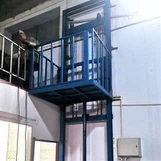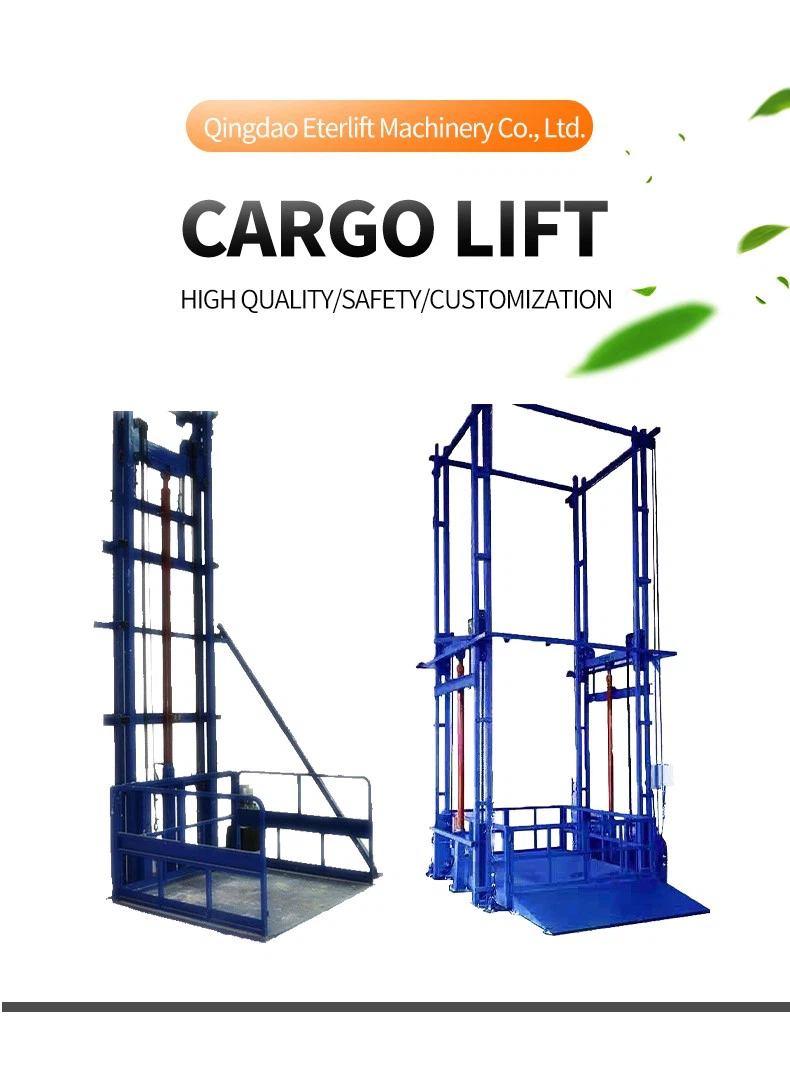


The hydraulic guide rail freight elevator is a robust and versatile lifting solution commonly used in industrial settings for the transportation of heavy goods between different floor levels. These elevators are especially favored in warehouses, factories, and storage facilities due to their capacity to handle substantial loads with high efficiency. The fundamental operation of a hydraulic guide rail freight elevator combines hydraulic power with precise electrical controls, ensuring smooth, reliable, and safe vertical movement.
At the heart of the hydraulic guide rail freight elevator's operation is its hydraulic system, which consists of a hydraulic pump, fluid reservoir, and cylinder. The hydraulic pump, typically powered by an electric motor, forces hydraulic fluid from the reservoir into the cylinder, creating the pressure needed to lift the elevator platform. The pressure exerted by the hydraulic fluid on the piston within the cylinder causes the platform to rise. To lower the platform, the system uses a solenoid valve to release the hydraulic fluid back into the reservoir, allowing gravity to gently bring the platform down.
The electrical working principle of the hydraulic guide rail freight elevator is pivotal for its operation, providing the control and safety mechanisms necessary for efficient and secure functioning. The electrical system is designed to control the hydraulic pump, manage platform movement, and ensure that safety protocols are followed.
Key components of the electrical system include a control panel, sensors, limit switches, and emergency systems. The control panel serves as the command center, receiving input from operators and sending signals to the hydraulic pump and solenoid valves. Sensors and limit switches play a critical role in monitoring the elevator's position, speed, and load. They provide real-time feedback to the control panel, ensuring that the elevator operates within predefined safety parameters. For instance, limit switches can detect when the platform has reached a designated floor level and signal the control system to stop the hydraulic pump, preventing over-travel.
In addition to these components, modern hydraulic guide rail freight elevators are equipped with emergency systems such as overload sensors, which prevent the elevator from operating if the load exceeds safe limits, and emergency stop buttons, allowing operators to halt the elevator immediately in case of an emergency. These features are integrated into the electrical system, enhancing the overall safety and reliability of the elevator.
In summary, the hydraulic guide rail freight elevator leverages a sophisticated electrical system to control and optimize its hydraulic lifting mechanism. This synergy between hydraulic power and electrical control ensures that heavy goods can be transported vertically with precision, efficiency, and utmost safety, making it an indispensable tool in industrial material handling operations.


Hot Tags: hydraulic cargo lifter, China, manufacturers, suppliers, factory, customized, buy, cheap, for sale, made in China