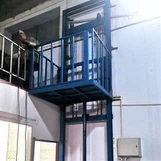
Introducing the Stationary Scissor Lift: The Ultimate Solution for Vertical Movements
In the world of material handling, the stationary scissor lift is one of the most popular types of equipment. It is a cost-effective and efficient solution for transporting a variety of goods, equipment, and machinery between different levels in buildings or warehouses. The stationary scissor lift is a robust piece of machinery that features a simple design, making it easy to operate and maintain. In this article, we will explore the various aspects of stationary scissor lifts, including their equipment structure design and maintenance.
Equipment Structure Design
The stationary scissor lift is designed with a simple yet crucial structure. It is a hydraulically powered lifting platform that has a scissor-like mechanism. The lift is built with a tabletop, a set of legs and a supportive frame that keeps everything rigid and safe. The lift raises and lowers using hydraulic power that is supplied by an electric motor and a hydraulic pump. The lift moves up and down by changing the pressure in the hydraulic cylinder, with hydraulic oil being pushed out from one end and sucked in at the other end.
The legs of the scissor lift are positioned on either side of the table, and they move up and down in unison as the hydraulic pump increases or decreases pressure. The lifting table is made of high-strength steel, and the scissor lift mechanism can support heavy loads. In most cases, the lifting table is made of a non-slip material, such as diamond plate steel, to ensure that loads are stable and secure during transport.
One crucial aspect of the scissor lift design is the safety features. Stationary scissor lifts are designed with a range of safety features to ensure the safety of workers, loads and equipment. These include safety skirts, safety bars, safety gates, and safety sensors. Safety skirts are sheets of material that cover the underside of the lift, preventing accidents from equipment or workers getting beneath the lift. Safety bars are metal barriers that prevent objects from falling off the table, while safety gates are doors which can be locked to prevent unauthorized access. Safety sensors are placed around the lift and are designed to detect any potential hazards and stop the lift from moving.
Maintenance
Stationary scissor lifts are designed to be low maintenance. Generally, there are very few moving parts on a scissor lift, and they need very little maintenance. However, some simple tasks need to be carried out periodically to ensure the lift continues to work optimally.
Firstly, stationary scissor lifts should be routinely inspected for damage or wear and tear. Worn or damaged parts should be immediately replaced to avoid accidents. Secondly, the hydraulic system should be regularly checked to ensure it is functioning correctly. The hydraulic oil level and pressure should be checked periodically to ensure the hydraulic pump and cylinder are working optimally.
Additionally, the tabletop and legs of the lift should be cleaned regularly to prevent dust and debris from accumulating, which can cause damage to the machinery. The non-slip material on the lifting surface should also be checked for any wear or damage and replaced if needed.
In conclusion, stationary scissor lifts are a vital piece of equipment for any warehouse or building where vertical or horizontal transport is required. Their simple yet robust design makes them easy to operate and maintain, and their safety features ensure a safe working environment. With proper maintenance, a stationary scissor lift can last for many years, providing dependable and efficient transport of goods, equipment, and machinery. Therefore, for companies looking to enhance their logistics or material handling capabilities, the stationary scissor lift is the perfect solution.


Hot Tags: double scissor lift table, China, manufacturers, suppliers, factory, customized, buy, cheap, for sale, made in China