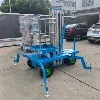
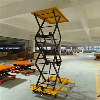
Wheelchair lifts need anti-pinch and anti-fall functions because they directly address the two biggest risks during lift operation - getting caught in moving parts and falling from height.
Anti-pinch function
Purpose:Prevents the user, wheelchair, or objects from being caught between moving parts (platform edges, guardrails, doors, or lift walls).
Protects the user's hands, feet, and clothing - Many wheelchair users have limited sensation or slower reflexes, making them more vulnerable to injury.
Prevents damage to the wheelchair-Parts like footrests or handles could get trapped if not detected in time.
Stops lift damage-Pinching can cause structural or mechanical strain.
Safety compliance-Accessibility and machinery safety standards often require pinch-point protection through sensors or mechanical guards.
Anti-fall function
Purpose:Prevents the wheelchair and user from rolling or falling off the lift platform.
Secures the wheelchair during motion-Safety arms, folding ramps, or barrier gates keep the wheelchair in place while lifting or lowering.
Prevents accidents during sudden stops-Even a minor platform jolt could cause a roll-off without proper barriers.
Gives peace of mind-Encourages users to operate the lift independently without fear of tipping or sliding.
Regulatory requirement-Most building and mobility equipment standards mandate fall-prevention devices.
Why Should Wheelchair Lifts Be Equipped With Anti-pinch And Anti-fall Functions?
Aug 12, 2025


Send Inquiry
Latest News