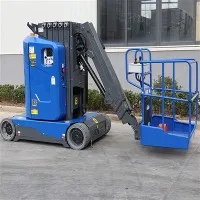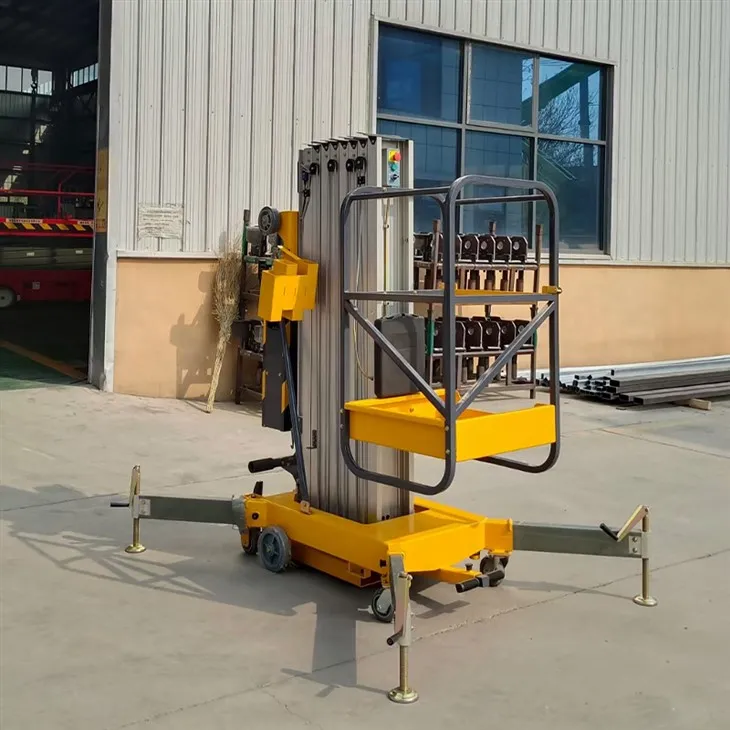

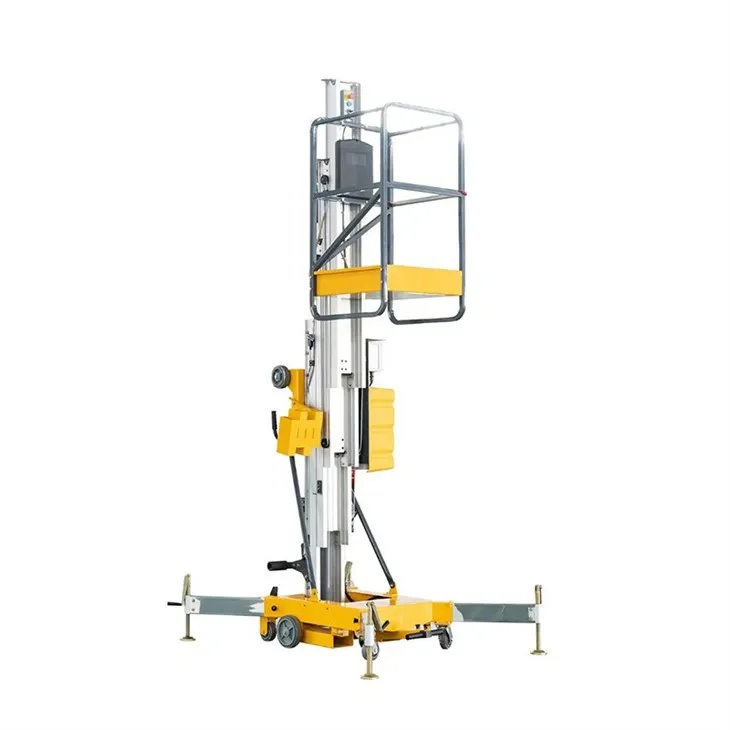
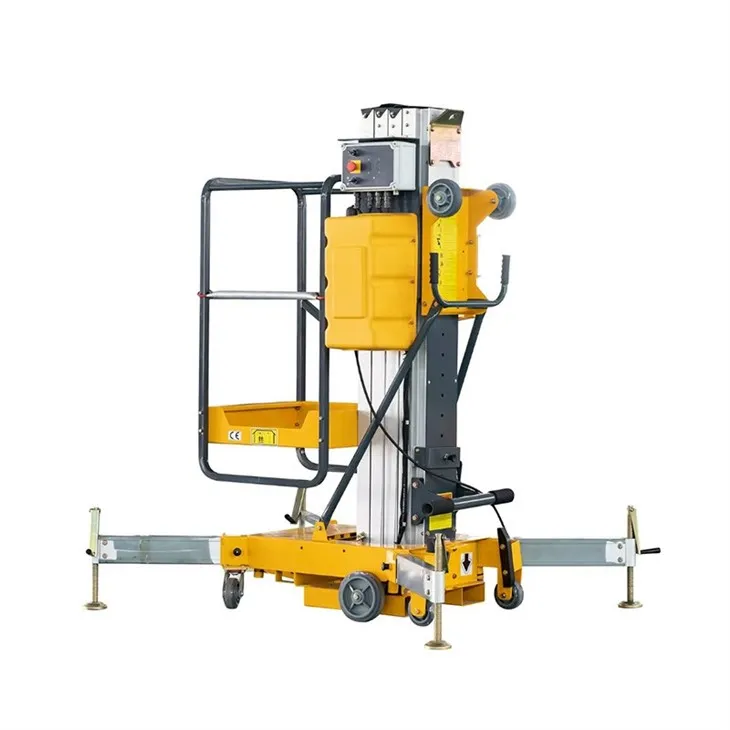
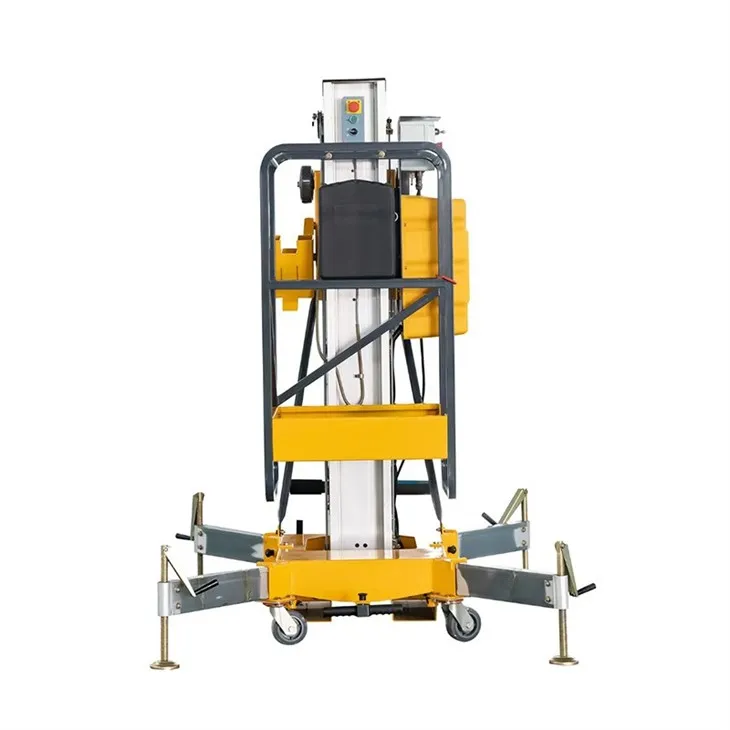
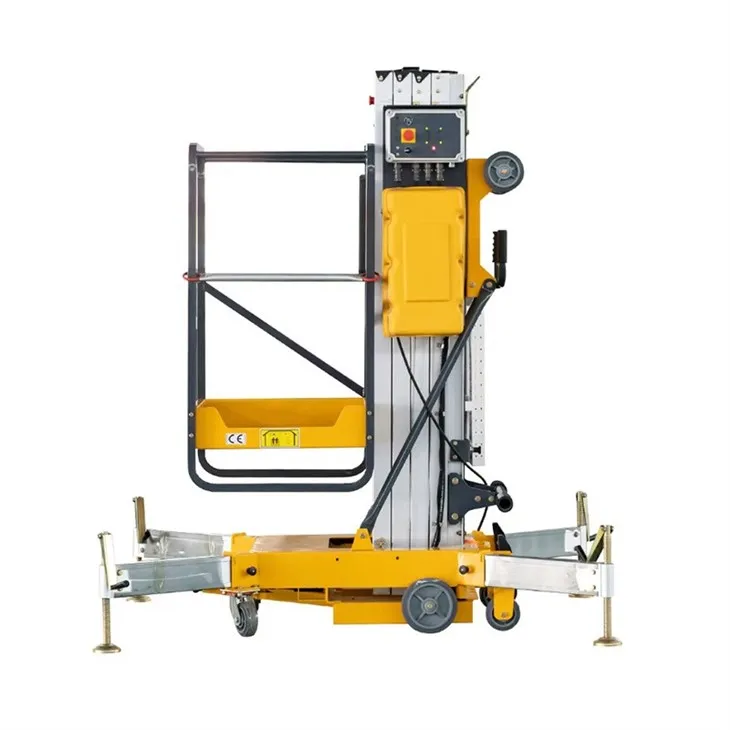
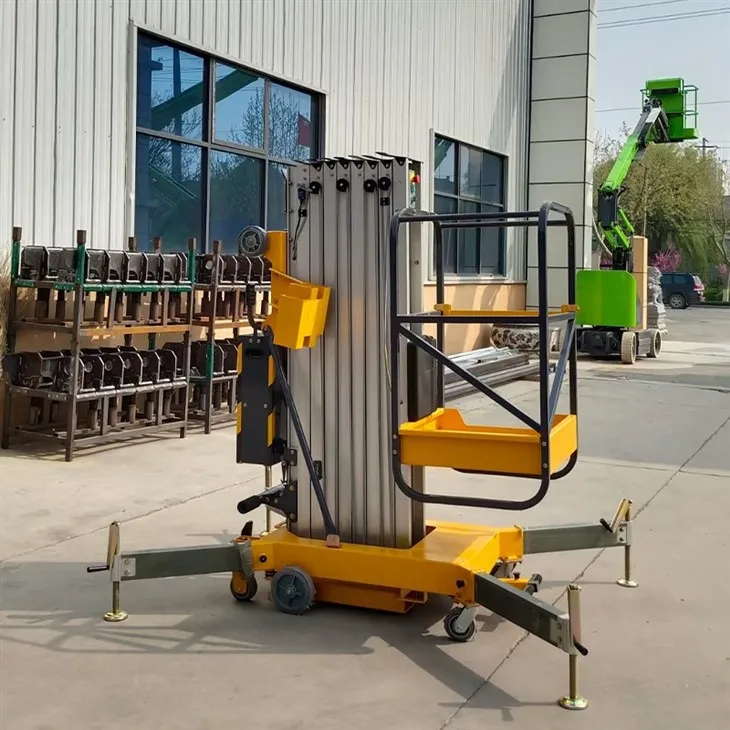
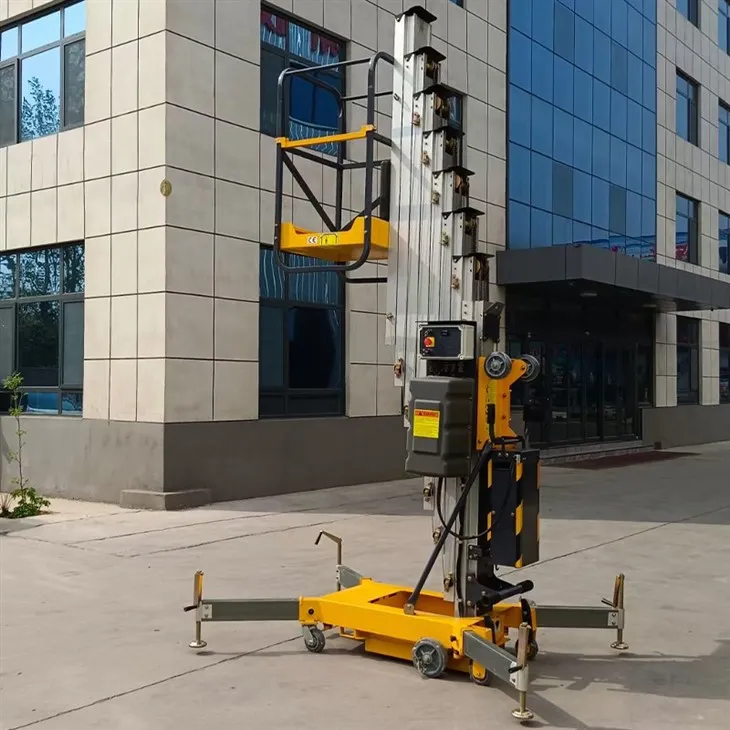
Qingdao Eterlift Machinery Co., Ltd. is one of the leading manufacturers and suppliers of aluminum column vertical lift in China, also supports customized service. As we have world-leading production equipment and strong manufacturing capabilities, we warmly welcome you to buy durable aluminum column vertical lift made in China here from our factory.


Core Impacts on Single Column Aluminum Alloy Lifts
This lift type uses high-strength aluminum alloy profiles (such as 6063-T5) as its main structure, and aluminum alloy materials account for 38%-42% of the total cost of the whole machine, which is the core component of the cost. The high-level fluctuation of aluminum alloy prices has a direct impact on its production, pricing and market competition.
1. Cost Side: Directly Push Up Manufacturing Costs, Compress Profit Margins
Taking a single column aluminum alloy lift (lifting height 6-8 meters, load capacity 125-150kg) as an example, the usage of aluminum alloy profiles is about 150-200kg per unit. Compared with Q4 2025, the average price of aluminum alloy ingots has increased by about 3,000 yuan/ton, directly increasing the material cost per unit by 450-600 yuan. If aluminum prices remain high in the future, coupled with the increase in processing fees and anodizing costs, the total cost per unit may rise by 3%-5%.
For most manufacturers, the market for this lift is highly competitive, and the profit space of small and medium-sized enterprises is already limited. The rising cost will further compress profits, and some small and medium-sized enterprises may face a dilemma of "losing orders if they raise prices, and losing money if they don't raise prices".
2. Pricing Side: Cost-Forced Price Increases, Balancing Market Competitiveness
Price increases are necessary to transfer cost pressure-otherwise, long-term profitability and R&D investment (such as the application of high-strength aluminum alloys and safety performance upgrades) will be affected. Manufacturers usually adopt flexible pricing strategies:
Phased price adjustment: First, a small increase (2%-3%) is made to observe market feedback, and then a second adjustment is made according to aluminum price trends;
Differentiated pricing: Increase the premium for customized products (such as special height, anti-corrosion coating), and maintain a basic increase for standardized models;
Bind long-term orders: Sign quarterly/annual long-term orders with upstream aluminum enterprises and aluminum processing plants to lock in part of the raw material prices and reduce the risk of price fluctuations.
3. Market Side: Demand May Be Suppressed, Competition Pattern Intensified
Price increases may lead to wait-and-see attitudes among end customers, especially the procurement demand of small and medium-sized enterprises and maintenance scenarios, and there may be a slight decline in orders in the short term. In terms of competition, leading enterprises can alleviate cost pressure by virtue of scale advantages (bulk purchase of aluminum materials, low processing costs), while small and medium-sized enterprises may be forced to reduce prices to seize orders, intensifying the "Matthew Effect" in the industry.
To break through, manufacturers need to strengthen the core competitiveness of these lifts, such as lightweight upgrading (reducing weight by 30%-40% to lower installation difficulty), improving corrosion resistance (adapting to humid/salt spray environments), and optimizing operational convenience (remote control, intelligent safety protection), to compete with "value" rather than "price".
4. Supply Chain Side: Inventory Management and Supply Stability Become Key
Under the high-level fluctuation of aluminum prices, enterprises need to reasonably control the inventory cycle (the industry average is about 28 days) to avoid hoarding high-priced goods and occupying funds. The "small-batch, multi-batch" procurement method can be adopted to reduce the risk of price fluctuations. At the same time, priority should be given to cooperating with large aluminum processing enterprises (such as Aluminum Corporation of China, Nanshan Aluminum Industry) to ensure the stable supply of high-quality aluminum profiles and avoid production interruption due to upstream supply shortages.
Hot Tags: aluminum column vertical lift, China, manufacturers, suppliers, factory, customized, buy, cheap, for sale, made in China, 6 Meter Single Mast Aerial Work Platform, Aerial Work Platform Electric Ladder Lift, Single Mast Aluminum Alloy Man Lift, Single Mast Aluminum Lift Table, Telescopic Lift Tables, The Aerial Work Platform Single Mast Aluminum Lift Table