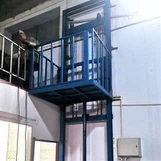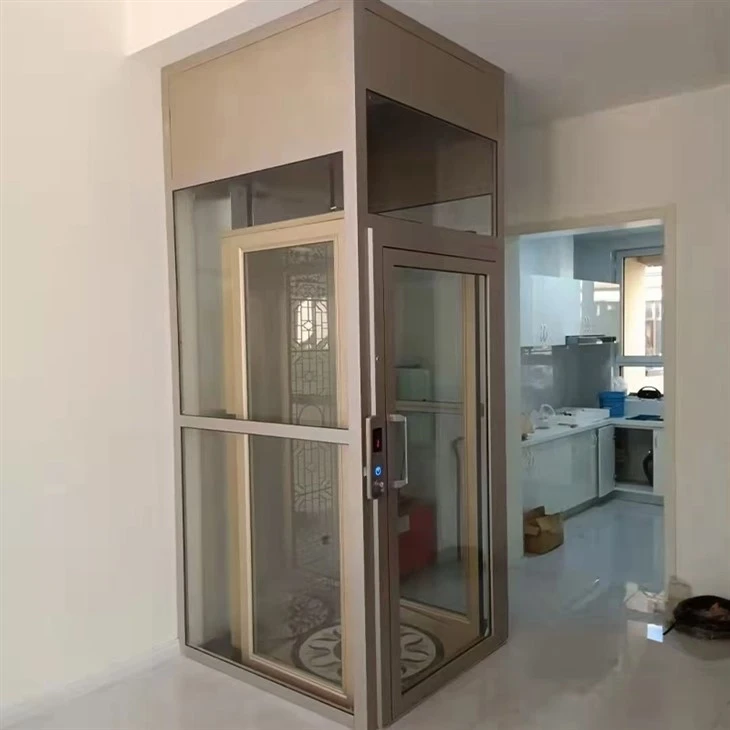

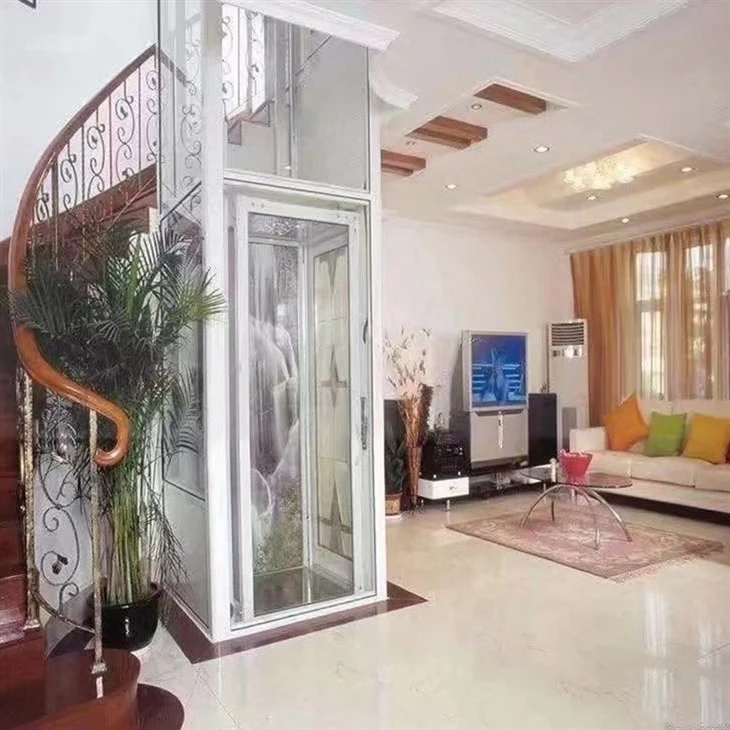
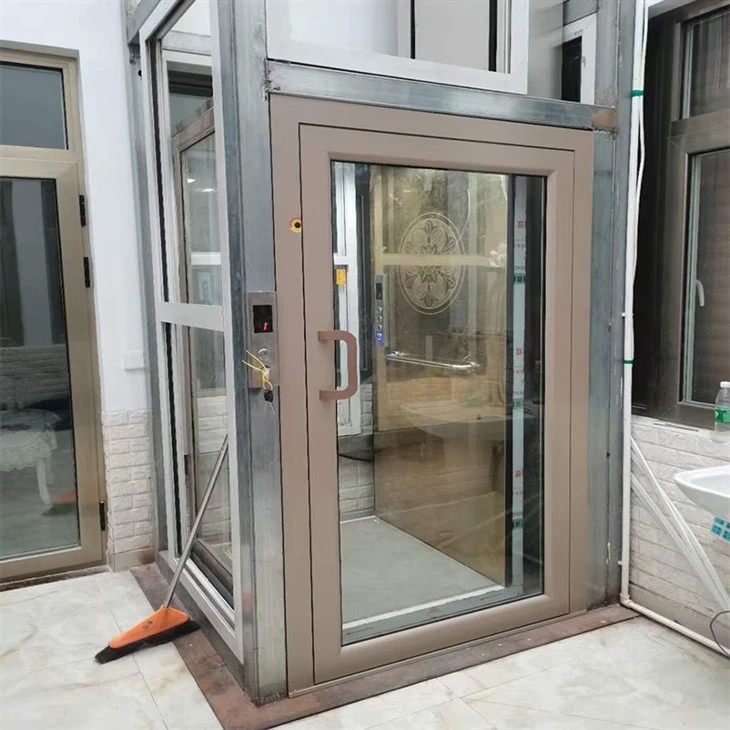
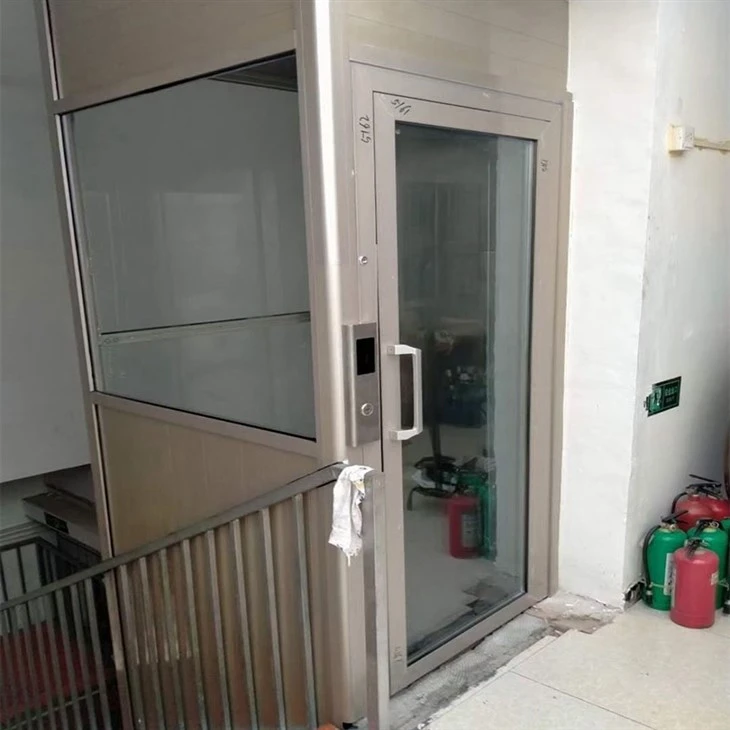
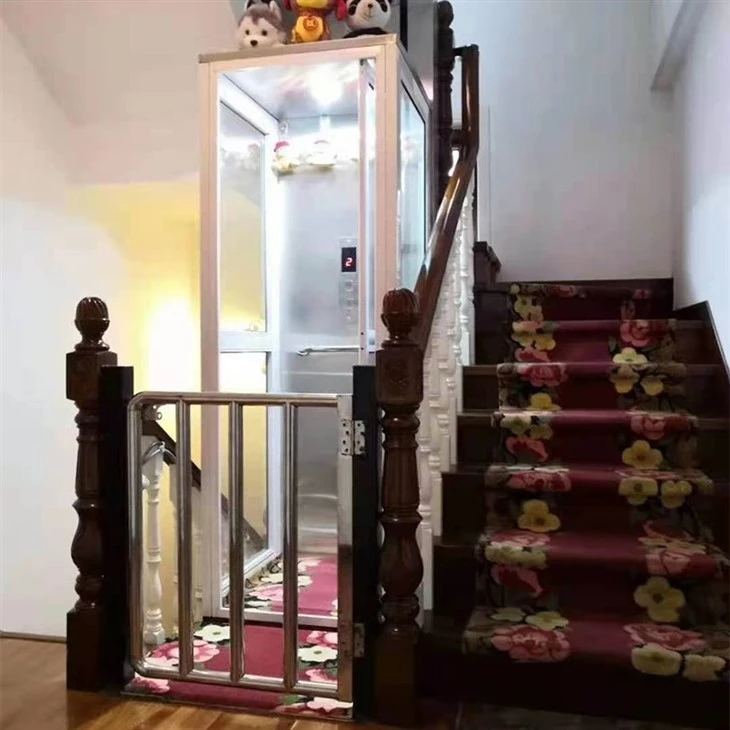
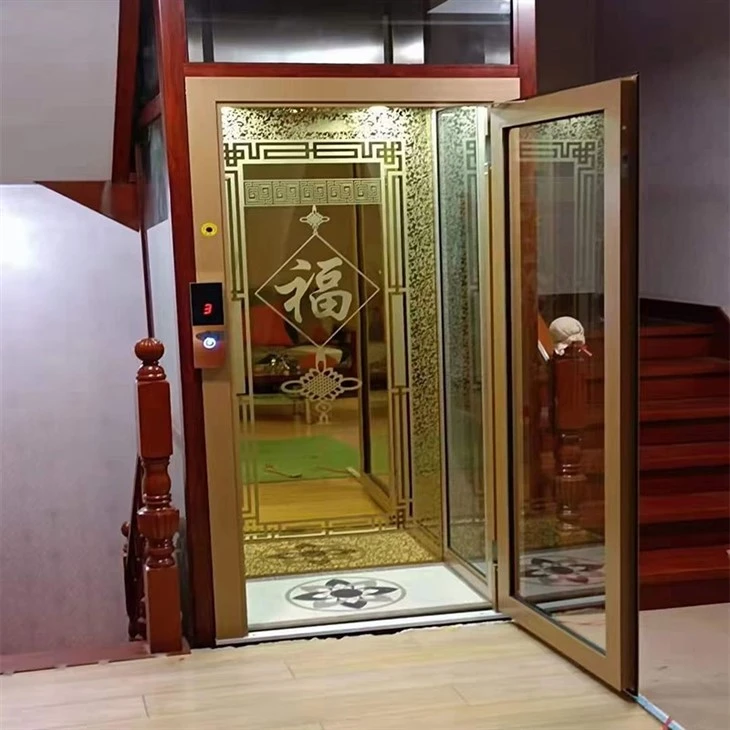
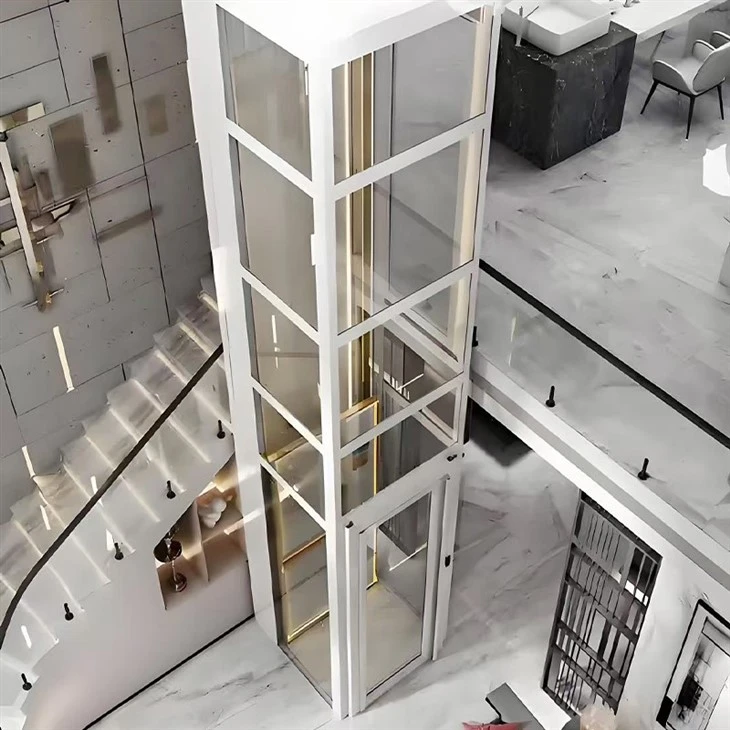
Qingdao Eterlift Machinery Co., Ltd. is one of the leading manufacturers and suppliers of home stair lift in China, also supports customized service. As we have world-leading production equipment and strong manufacturing capabilities, we warmly welcome you to buy durable home stair lift made in China here from our factory.


Hydraulic vs Traction Home Elevators: Key Differences & Buying Guide
Choosing a residential elevator is one of the most important decisions for villa and duplex renovation. The two most common types of home elevators on the market are hydraulic home elevators and traction home elevators. They differ greatly in working principle, installation requirements, running performance, safety, energy consumption and maintenance cost. This guide clearly compares hydraulic and traction residential elevators to help you pick the right model for your house.
1. Working Principle Differences
Hydraulic Home Elevator
A hydraulic residential elevator adopts a direct hydraulic drive system. Its core components include a hydraulic pump station, oil cylinder and sealed oil circuit. The motor pressurizes hydraulic oil to push the cylinder piston up and down, lifting or lowering the car directly. With no steel ropes or counterweight structures, it features a simple mechanical design and stable lifting logic.
Traction Home Elevator
A traction home elevator uses a friction traction driving mechanism, the same mature technology as commercial elevators. It relies on a traction machine, steel ropes or steel belts and counterweight blocks. The traction wheel rotates to drive the elevator car, while the counterweight balances most of the car's weight, greatly reducing motor load and operating pressure.
2. Installation & Civil Work Requirements
Installation conditions are the biggest practical difference between the two elevator types, especially for finished houses and new renovations.
Hydraulic Elevator: Low Renovation Threshold
Hydraulic home elevators have extremely low requirements for building structures. No dedicated machine room is needed, and only a load-bearing wall is required for installation. It only needs a 100mm shallow pit, which avoids floor cutting, floor heating damage and waterproof layer destruction. It fits perfectly for already renovated villas and old houses. The top floor height requirement is only 2600mm, with high shaft space utilization.
Traction Elevator: Standardized Civil Work Needs
Traction residential elevators have strict civil work standards due to complete safety and balance configurations. A standard pit depth of 300–500mm and a top floor height above 2800mm are required, along with a regular independent elevator shaft. It is ideal for new houses with reserved shafts, but causes high renovation costs and large construction volume for old buildings.
3. Running Performance: Speed, Noise & Smoothness
Running Speed
Hydraulic home elevators run steadily at a low speed of 0.2–0.3m/s with ultra-smooth starts and stops, suitable for low-frequency use. Traction home elevators offer a higher speed of 0.3–0.4m/s, improving travel efficiency and perfectly fitting daily high-frequency household use.
Noise & Riding Comfort
Traction elevators deliver superior quiet performance, with operating noise below 45dB. The balanced driving system ensures smooth operation without shaking or jittering. Hydraulic elevators produce slight running noise from the pump station and oil pressure operation, and long-term use may cause minor jitter due to oil pressure fluctuation.
4. Safety Performance Comparison
Hydraulic Elevator Safety
Hydraulic residential elevators have built-in physical limit protection, effectively preventing over-speed, roof collision and free fall risks. They support simple manual rescue - users can lower the car flat by releasing pressure when power cuts out. The only defect is wearable sealing parts and oil circuits, which may cause slight oil leakage after years of operation.
Traction Elevator Safety
Traction home elevators are equipped with complete national standard safety systems, including speed limiters, safety gears, buffers and broken rope protection. The car will lock instantly in case of faults such as over-speed or loose ropes, achieving zero falling risk. With no oil leakage hidden danger, it features stable mechanical structure. The only limitation is that professional staff is required for extreme fault rescue.
5. Energy Consumption, Service Life & Cost
Energy Efficiency
Thanks to the counterweight balance system, traction home elevators consume extremely low power during operation and standby, saving 30%–50% energy compared with hydraulic models. Hydraulic elevators maintain high motor load throughout operation, leading to higher long-term electricity costs.
Service Life
Traction residential elevators have a long service life of 20–30 years, with low loss of core mechanical parts and stable long-term performance. Hydraulic elevators have a lifespan of 15–20 years; aging oil seals and oil circuits will cause frequent failures such as jitter and slow lifting in later use.
Purchase & Maintenance Cost
Hydraulic elevators have a lower upfront price with simple structures and low-cost accessories, ideal for tight budgets. However, they require regular replacement of hydraulic oil and seals, resulting in increasing annual maintenance costs.
Traction elevators feature higher initial purchase cost due to precise structure configurations, but with ultra-low failure rates and simple daily maintenance. It has better long-term cost performance.
6. Best Application Scenarios
Choose Hydraulic Home Elevators If:
Your villa or duplex is fully renovated with no reserved elevator pit
You have a limited budget and use the elevator infrequently
The elevator shaft space is narrow and small
You prioritize ultra-smooth riding experience for elderly family members
Choose Traction Home Elevators If:
You are decorating a new house and can reserve a standard elevator shaft
You need high-frequency daily elevator use
You pursue long service life and low later maintenance cost
You require quiet, efficient and stable elevator operation
Conclusion
Hydraulic home elevators are the best choice for old house renovation and low-budget, low-frequency use, featuring easy installation and low upfront cost, while limited by high energy consumption, short service life and oil leakage risks. Traction home elevators are the mainstream option for new villas and long-term household use, with outstanding advantages in energy saving, silence, safety and long-term cost performance, only requiring standardized pre-reserved installation conditions.
Hot Tags: home stair lift, China, manufacturers, suppliers, factory, customized, buy, cheap, for sale, made in China, Free Move Wheelchair Lift Elevator, Hydraulic Wheelchair Lift For Disable People, Porch Lift Elevator For Wheelchair, Small Hydraulic Household Elevator, The Wheelchair Lift For The Villa, Wheelchair Lift For Elderly