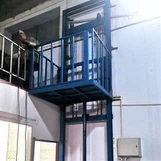
Stationary scissor lifts are essential equipment in various industries, used for lifting personnel, tools, and materials to elevated work areas. Designing them to prevent pinching is critical for ensuring safety, compliance, and operational efficiency. Here are the key reasons why pinch prevention is a crucial design consideration:
1. Operator and Worker Safety
Preventing Injuries: Scissor lifts have moving parts, particularly in the scissor mechanism, where gaps between the arms can create pinch points. If a person's fingers, hands, or clothing get caught in these gaps, it can lead to severe injuries, such as cuts, bruises, or even amputations.
Safe Operation: By eliminating pinch points, the risk of accidents during operation, maintenance, or repair is significantly reduced.
2. Compliance with Safety Standards
Regulatory Requirements: Many countries and regions have strict safety regulations (e.g., OSHA in the U.S., CE marking in Europe) that mandate the design of equipment to minimize hazards, including pinch points.
Liability Reduction: Compliance with these standards helps manufacturers and users avoid legal liabilities and penalties.
3. Enhanced Usability and Accessibility
User Confidence: A scissor lift designed to prevent pinching is more user-friendly, encouraging operators to use the equipment without fear of injury.
Ease of Maintenance: Maintenance personnel can work on the equipment more safely and efficiently when pinch hazards are minimized.
4. Protection of Clothing and Equipment
Avoiding Entanglement: Loose clothing, gloves, or tools can easily get caught in pinch points, leading to accidents or damage to personal protective equipment (PPE).
Preventing Damage: Pinch points can also damage tools or materials being lifted, affecting productivity and increasing costs.
5. Long-Term Durability and Reliability
Reduced Wear and Tear: Pinching can cause excessive stress on the scissor mechanism, leading to premature wear and potential mechanical failures.
Lower Maintenance Costs: By designing out pinch points, the equipment experiences less strain, resulting in fewer breakdowns and lower maintenance expenses.
6. Reputation and Trust
Brand Image: Manufacturers that prioritize safety in their designs build a reputation for reliability and quality, which can lead to increased customer trust and market share.
Customer Satisfaction: Users are more likely to recommend and repurchase equipment that prioritizes their safety and well-being.
How Pinch Prevention is Achieved in Design
To prevent pinching, manufacturers implement several design features:
Guards and Covers: Installing physical barriers to cover pinch points.
Smooth Edges: Rounding or smoothing edges to reduce the risk of injury.
Safety Sensors: Using sensors to detect obstructions and stop the lift if a pinch hazard is detected.
Clear Warning Labels: Providing visible warnings and instructions to operators about potential hazards.
Ergonomic Design: Ensuring that moving parts are spaced and aligned to minimize pinch risks.
Preventing pinching in stationary scissor lifts is a fundamental aspect of their design, driven by the need to protect users, comply with safety regulations, and ensure reliable operation. By addressing pinch hazards, manufacturers can create safer, more efficient, and longer-lasting equipment, ultimately benefiting both operators and businesses.


Hot Tags: compact small scissor lifts, China, manufacturers, suppliers, factory, customized, buy, cheap, for sale, made in China