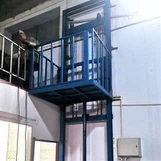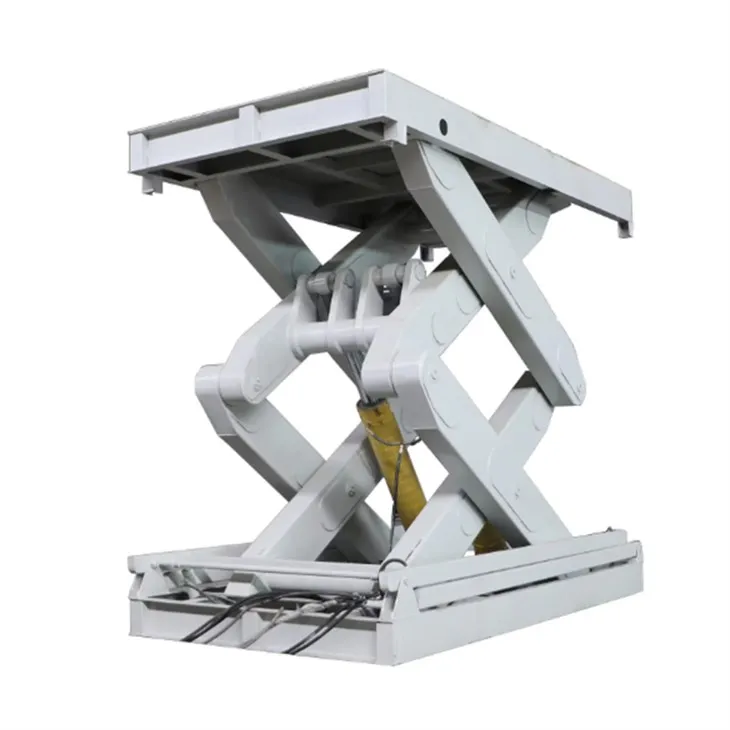

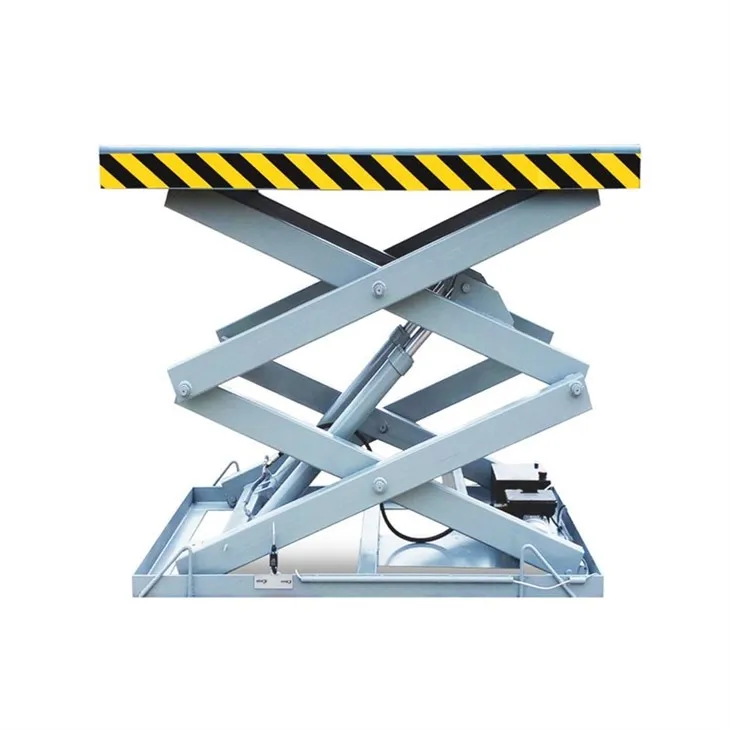
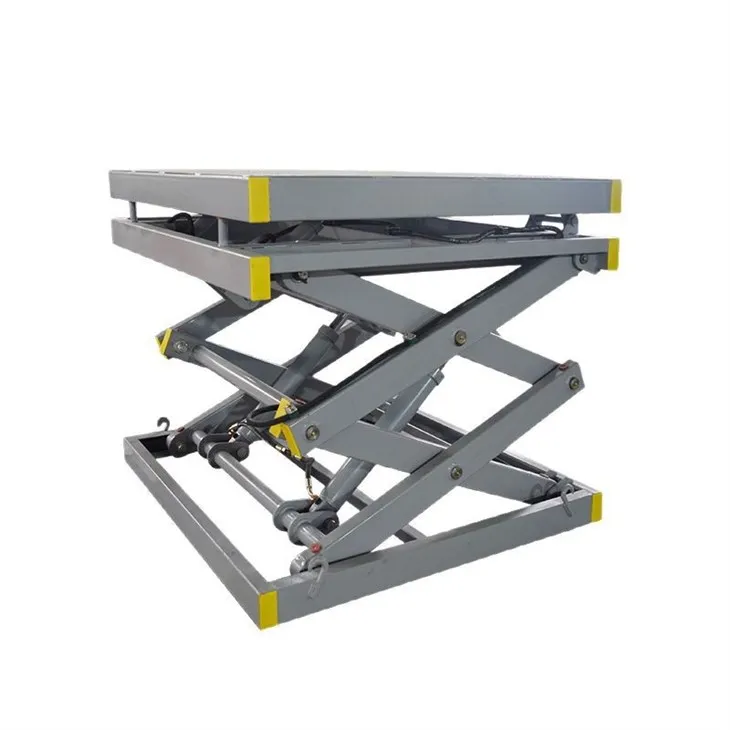
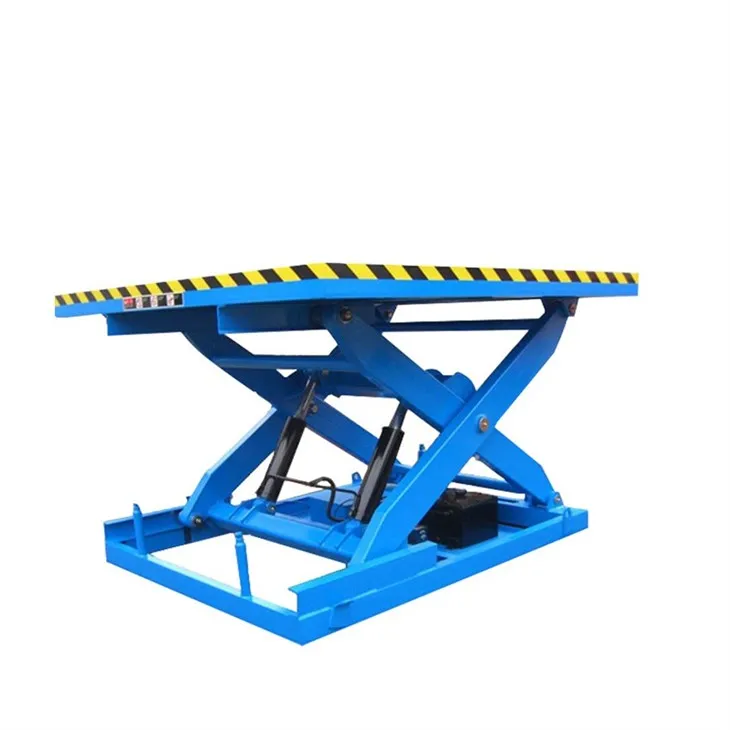
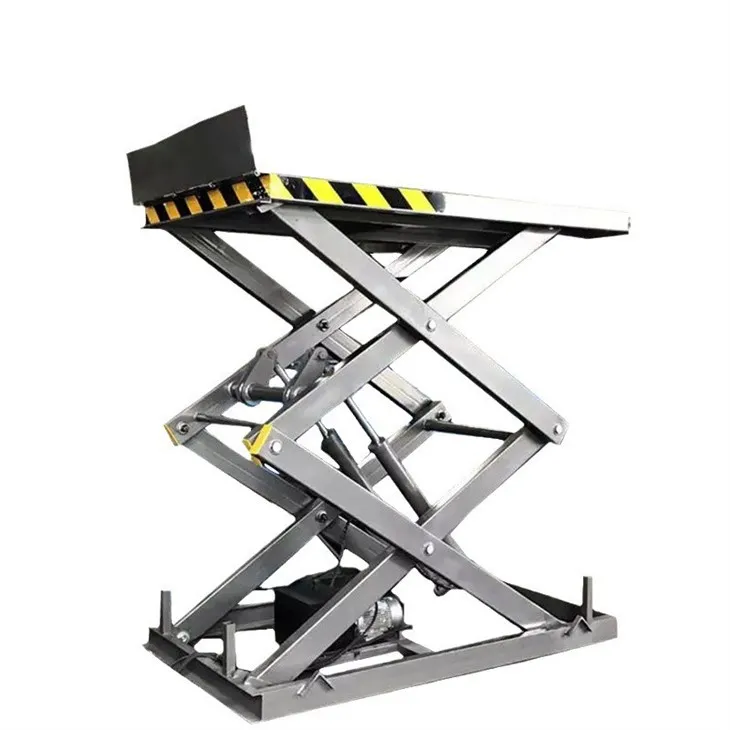
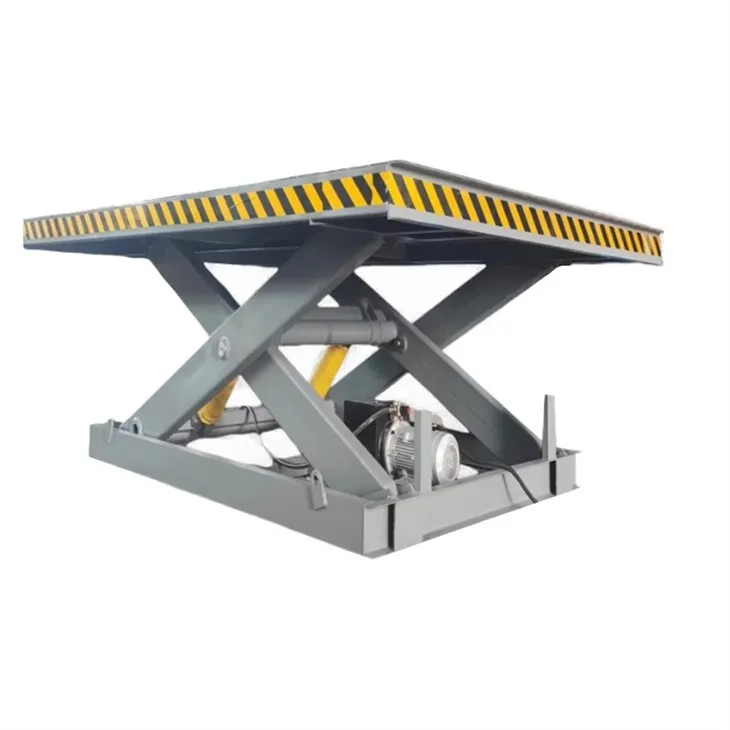
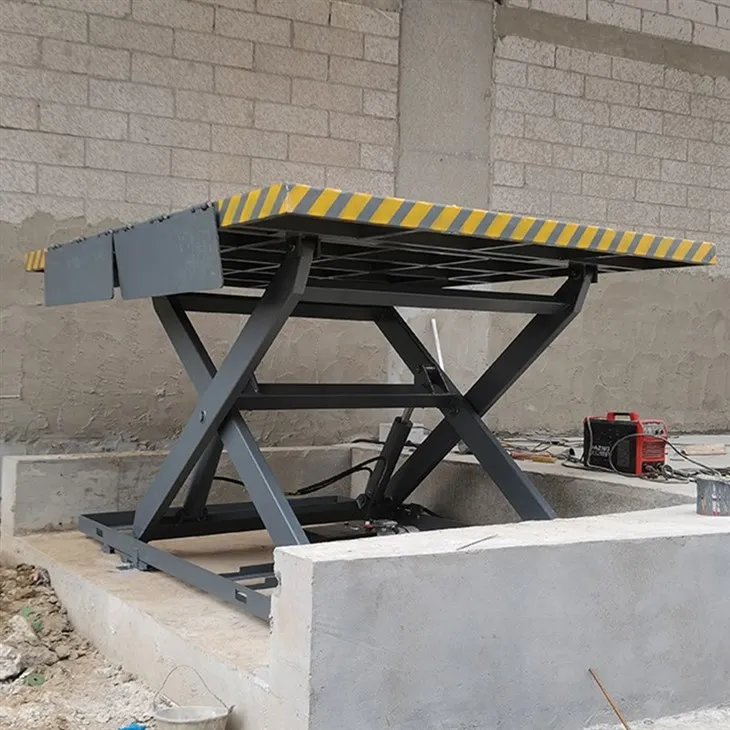
Qingdao Eterlift Machinery Co., Ltd. is one of the leading manufacturers and suppliers of fixed scissor cargo lift in China, also supports customized service. As we have world-leading production equipment and strong manufacturing capabilities, we warmly welcome you to buy durable fixed scissor cargo lift made in China here from our factory.


Factors Affecting the Minimum Height of Fixed Scissor Lifts
The minimum height of a fixed scissor lift (also known as its closed height when fully retracted) directly determines the equipment's installation compatibility and operational convenience. This value is not fixed; it is mainly governed by four core factors: scissor mechanism geometry, load capacity and structural strength, hydraulic system layout, and platform/base frame structure. It is also affected by additional key conditions such as the number of scissor layers, installation method, and safety configurations. Below is a concise breakdown of the core influencing factors to support accurate selection and optimize search visibility for industrial users.
1. Scissor Mechanism Geometry (Core Influence)
Scissor arm parameters and layer count are the most critical elements controlling the minimum closed height:
Scissor Arm Length: Longer arms result in a higher vertical stacking height when fully retracted, increasing the minimum height; shorter arms can lower the closed height but will limit the maximum lifting stroke.
Minimum Working Angle: The industry standard minimum angle is ≥15°. A smaller angle allows the scissor arms to lie flatter, reducing the minimum height; an excessively small angle must be avoided to prevent mechanism jamming and structural stress damage.
Number of Scissor Layers: Single-layer scissors offer the lowest minimum height (200–400mm); double-layer (350–500mm) and triple-layer (≥470mm) models have a significantly higher closed height due to stacked arm assemblies.
2. Rated Load Capacity & Structural Strength (Hard Constraint)
Load capacity directly determines material selection and structural design, which directly raises the minimum height:
Light Load (≤1t): Designed with lightweight profiles, the minimum height can be controlled at 200–250mm, suitable for light-duty cargo lifting.
Medium Load (1–5t): Thickened arm plates and reinforced frames are required, raising the minimum height to 300–450mm, ideal for routine industrial material handling.
Heavy Load (≥10t): Features heavy-duty welded construction and multi-set scissor arms, with a minimum height reaching 600–800mm, designed for heavy-duty industrial operations.
3. Hydraulic System Layout (Key Limitation)
The layout of the power system affects occupied space when retracted, making it a major point to optimize for a lower closed height:
Power Unit Type: Built-in power units increase the overall machine height, while external units do not occupy internal space and effectively lower the minimum height, though they require additional protective casing.
Cylinder Installation: Horizontally embedded cylinders (into the base or platform cavity) enable an ultra-low minimum height of 85–150mm for ultra-slim models; tilted cylinders retain an angled position when retracted, occupying vertical space and increasing the height.
Cylinder Specifications: Heavy-duty applications require larger bore cylinders, which have a greater retracted length and indirectly raise the minimum closed height.
4. Platform & Base Frame Structure (Base Height)
The combined height of the base and platform forms the fixed base of the minimum height, with scissor arms stacked directly above it:
Base Frame Height: Standard height is 80–150mm; reinforced heavy-duty bases exceed 200mm.
Platform Frame Height: Standard height is 70–120mm; slim integrated designs can compress this to under 50mm.
Total Base Height: The standard combined base and platform height is 150–270mm, serving as the fixed baseline for the minimum height.
5. Auxiliary Influencing Factors
Installation Method: Pit installation allows the base to be recessed into the ground, greatly reducing the actual working platform height; surface-mounted installation means the minimum height equals the full machine retracted height.
Safety & Operational Clearance: A 5–15mm clearance is required between scissor arms and between arms and the base/platform to prevent friction and jamming. Additional safety devices (fall arrest locks, limit stops, buffers, etc.) add 20–50mm to the minimum height.


Hot Tags: fixed scissor cargo lift, China, manufacturers, suppliers, factory, customized, buy, cheap, for sale, made in China, 1000 Lb Electric Hydraulic Scissor Lift, 2m Scissor Lift Platform, Hydraulic Lift, Hydraulic Stationary Scissor Lifter, Stationary Lift Platform, Vertical Lifts For Raised Platforms