



Fixed Scissor Dock Leveler Usage Precautions: Safety & Efficiency Guide
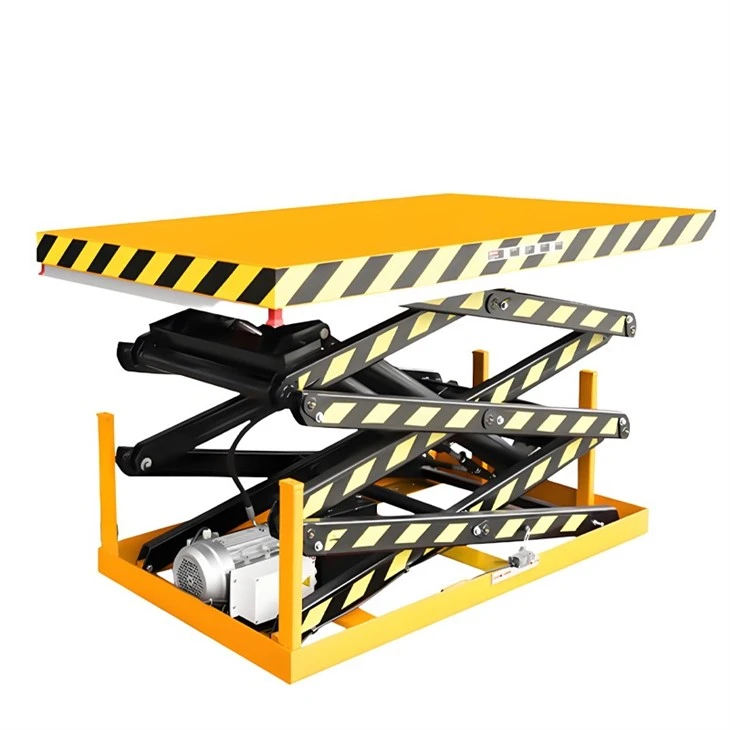
Fixed scissor dock levelers are essential equipment in warehouses, logistics centers, and manufacturing facilities, designed to bridge the gap between loading docks and truck beds for smooth, safe cargo transfer. With their heavy-duty solid-steel scissor construction and powerful hydraulic systems, they ensure efficient operations-but improper use can lead to equipment damage, cargo loss, or even serious injuries. To maximize safety, extend equipment lifespan, and maintain optimal performance, follow these critical usage precautions for fixed scissor dock levelers.
1. Pre-Operation Inspection: Lay the Foundation for Safety
Before starting any operation, a thorough pre-inspection is non-negotiable-it helps identify potential hazards early and prevents accidents. This step is crucial for compliance with safety standards and avoiding costly downtime.
Equipment Structure Check: Visually inspect the entire dock leveler for signs of damage, including bent scissor arms, cracked welds, or rusted components. Pay special attention to the platform's reinforced anti-skid checkered surface-ensure it is clean, free of debris, and not worn down, as this surface prevents slipping of people and goods. Check that all bolts and fasteners are tight, and the lip (if equipped) is intact and functions smoothly.
Hydraulic System Verification: Inspect the hydraulic system for leaks, including hoses, cylinders, and connections. The high-pressure oil pipe (equipped with double wire-steel mesh in hydraulic rubber hose) should be free of cracks or damage. Check the hydraulic oil level-ensure it is within the recommended range, and the oil is clean (no emulsification or turbidity). Verify that the explosion-proof valve between the oil cylinder and oil tube is functional, as it prevents sudden platform drops in case of hose failure.
Safety Devices Test: Test all safety features to ensure they work properly:
Emergency stop button: Press it to confirm it immediately cuts power to the system.
Emergency lowering device (e.g., emergency pull chain or manual pump): Ensure it can safely lower the platform in case of power outage.
Overload alarm and load limiter: Simulate an overload to confirm the device stops operation and triggers an alarm.
Safety toe guard (if equipped): Check it is intact to protect operators from pinch hazards.
Work Environment Check: Ensure the area around the dock leveler is clear of obstacles, debris, and无关 personnel. The truck should be parked perpendicular to the dock face, in close contact with the dock's bumpers, to prevent movement during loading/unloading. Check that the dock pit is free of debris, as blockages can interfere with the scissor mechanism's movement. For outdoor or temperature-controlled facilities, check for condensation on the platform (sweating slab syndrome) and address it to prevent slipping.
2. Operator Qualifications & Training: Only Trained Personnel Allowed
Fixed scissor dock levelers are not intended for untrained users. OSHA standards require that only trained workers operate such equipment, as improper operation is a leading cause of accidents. Follow these guidelines for operator management:
Required Training: Operators must complete comprehensive training on the specific model of fixed scissor dock leveler they will use. Training should cover equipment structure, hydraulic system operation, safety devices, emergency procedures, and load capacity limits. Employers are responsible for ensuring operators understand the user's manual and can demonstrate proper operation before allowing independent use.
Certification & Supervision: Operators should hold valid certification for operating fixed scissor dock levelers. New operators or those using a new model should be supervised by an experienced operator until they are proficient. Regular refresher training is recommended to reinforce safety practices and update operators on maintenance changes.
Personal Protective Equipment (PPE): Operators must wear appropriate PPE, including non-slip safety shoes, protective gloves, and high-visibility vests. If working at height or with heavy cargo, hard hats and safety harnesses (where applicable) are required to prevent injuries from falling objects or slips.
3. Loading & Unloading Operations: Follow Safe Practices
The core of safe dock leveler use lies in proper loading and unloading procedures. Adhere to these rules to prevent overloading, cargo shifting, and equipment strain:
Never Exceed Rated Capacity: Each fixed scissor dock leveler has a rated load capacity (listed on the nameplate)-never exceed this limit. Overloading can damage the scissor mechanism, hydraulic system, or platform, leading to catastrophic failure. Even minor overloading over time can reduce equipment lifespan and increase safety risks. If handling heavy or irregularly shaped cargo, calculate the load distribution to ensure it does not exceed the platform's capacity.
Proper Cargo Placement: Position cargo evenly on the platform, centered over the scissor mechanism, to avoid uneven weight distribution. Avoid placing cargo too close to the edge or lip of the platform, as this can cause the platform to tilt or the cargo to fall. Use绑带 or chains to secure loose or heavy cargo, ensuring the绑带 angle is at least 45° and the breaking strength is three times the cargo weight. For long or bulky items, ensure they do not extend beyond the platform's edges excessively.
Controlled Platform Movement: Operate the dock leveler smoothly-avoid sudden starts, stops, or changes in direction. When raising or lowering the platform, ensure the area is clear of people and obstacles. Use the control panel (or pendant control, if equipped) to adjust the platform height to match the truck bed exactly-never load or unload when the platform is misaligned, as this can cause cargo to slide or equipment to jam. When approaching the target height, use slow, incremental adjustments (point动操作) to avoid overshooting.
No Standing or Walking on the Platform During Operation: Operators should stand on the dock, not the platform, while it is moving. Never allow passengers or无关 personnel to stand on the platform-only cargo and essential loading equipment (e.g., forklifts) are permitted. Forklift operators should drive slowly onto the platform, avoiding sudden turns or stops that could shift cargo or strain the equipment.
4. During Operation: Monitor for Abnormalities
Continuous monitoring during operation is key to catching issues before they escalate. Pay attention to the following signs of potential problems:
Unusual Noises: Strange sounds (e.g., squeaking, grinding, or buzzing) may indicate issues with the hydraulic pump, scissor arms, or bearings. For hydraulic dock levelers, abnormal noises often signal low hydraulic oil or a faulty pump; for mechanical models, they may indicate spring adjustment issues or lip assembly damage. Stop operation immediately if unusual noises occur and inspect the equipment.
Hydraulic Leaks: If you notice hydraulic oil leaking during operation, stop using the dock leveler immediately. Leaks can cause the platform to drop unexpectedly and damage the hydraulic system. Clean up the leak, identify the source (hoses, connections, or cylinders), and have it repaired by a professional before resuming use.
Platform Instability: If the platform tilts, shakes, or moves unexpectedly during operation, stop immediately. This may be caused by uneven loading, damaged scissor arms, or a malfunctioning hydraulic system. Do not attempt to adjust the platform while it is unstable-lower it to the lowest position and inspect for issues.
Safety Alarm Activation: If the overload alarm, tilt alarm, or other safety alarm is triggered, stop operation immediately. Address the cause (e.g., reduce cargo weight, realign the platform) before continuing. Never disable or ignore safety alarms-they are designed to prevent accidents.
5. Post-Operation Procedures: Secure the Equipment
After completing loading or unloading, follow these steps to secure the dock leveler and prepare it for the next use:
Lower the Platform Completely: Lower the platform to its lowest position and lock it in place using the safety lock or pin. This prevents accidental movement and protects the scissor mechanism from unnecessary strain. Ensure the lip (if equipped) is retracted properly.
Clean the Platform: Remove any debris, cargo residue, or oil from the platform surface. A clean platform prevents slipping and reduces wear on the anti-skid surface. Clean the dock pit to remove debris that could interfere with future operation.
Turn Off Power: Switch off the power supply to the dock leveler to prevent unauthorized use. If the equipment uses a hydraulic system, ensure the system is depressurized before turning off the power.
Record Issues: If any abnormalities were noticed during operation (e.g., leaks, noises, or instability), record them in the equipment log. Report serious issues to the maintenance team immediately to avoid further damage or safety risks.
6. Regular Maintenance & Inspection: Extend Equipment Lifespan
Routine maintenance is essential to keep fixed scissor dock levelers in optimal condition. Follow these maintenance guidelines to reduce downtime and repair costs:
Scheduled Inspections: Conduct regular inspections-monthly for multi-shift operations and every 90 days for single-shift operations. Inspections should include checking the scissor mechanism, hydraulic system, safety devices, and platform surface. Have a professional technician inspect the equipment annually for comprehensive maintenance.
Lubrication: Lubricate the scissor arms, hinges, and moving parts regularly to reduce friction and wear. Use the lubricant recommended by the manufacturer to ensure compatibility with the equipment.
Hydraulic System Maintenance: Change the hydraulic oil and filter at the manufacturer's recommended intervals (usually every 6–12 months). Check for oil contamination and replace the oil if it becomes cloudy or emulsified. Inspect hydraulic hoses for wear and replace them before they fail.
Repair Damages Promptly: Address any damage (e.g., bent scissor arms, cracked welds, or faulty safety devices) immediately. Even minor damage can escalate into major issues if left unaddressed. After a collision or impact, have the equipment inspected by a professional, even if no visible damage is present-internal damage can worsen over time.
7. Emergency Procedures: Know How to Respond
Even with proper precautions, emergencies can occur. All operators and facility staff should be familiar with these emergency procedures:
Power Outage: Use the emergency lowering device (e.g., manual pump or pull chain) to lower the platform to the lowest position. Do not attempt to manually lift the platform-this can cause injury or equipment damage.
Platform Jam: If the platform gets stuck in the raised position, do not attempt to force it down. Turn off the power, secure the area, and contact a professional technician to resolve the issue. Forcing the platform can damage the scissor mechanism or hydraulic system.
Hydraulic Failure: If the platform starts to drop unexpectedly due to hydraulic failure, activate the emergency stop button and evacuate the area immediately. Do not stand under or near the platform until it is safely lowered and repaired.
Injury or Accident: If an injury occurs, stop operation immediately, provide first aid, and call emergency services if necessary. Secure the equipment to prevent further accidents and document the incident for investigation.
Conclusion
Following these fixed scissor dock leveler usage precautions is critical for ensuring the safety of personnel, protecting equipment, and maintaining efficient operations. By conducting pre-operation inspections, using trained operators, following safe loading procedures, monitoring for abnormalities, and performing regular maintenance, you can extend the lifespan of your fixed scissor dock leveler and reduce the risk of accidents. Remember: safety is always the top priority-never cut corners or ignore safety guidelines when operating this essential logistics equipment.


Hot Tags: loading and unloading platform, China, manufacturers, suppliers, factory, customized, buy, cheap, for sale, made in China