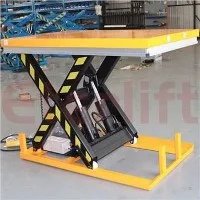
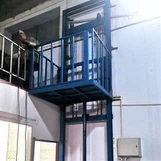
Vertical scissor platform lifts are essential tools for lifting heavy loads in a variety of industries, including construction, manufacturing, and maintenance. One of the most crucial components of these lifts is the cable system, which is responsible for safely and reliably raising and lowering the platform. Understanding the specifications of the cables used in these machines is critical for ensuring operational safety, efficiency, and longevity of the equipment.
The cables in vertical scissor platform lifts are typically steel wire ropes due to their strength, flexibility, and durability. These cables are constructed by winding strands of high-carbon steel wires around a core, creating a flexible and strong rope that can handle the demanding loads and repetitive motions inherent in platform lift operations.
The breaking strength of the cable is a critical specification. This refers to the maximum load that the cable can withstand before breaking. Depending on the load capacity of the lift, the cable must be rated to handle weights significantly higher than the maximum platform load. For example, a scissor lift with a 2,000-pound capacity might use a cable with a breaking strength of 8,000 pounds or more, offering a safety factor of 4:1.
Cable diameter is another key specification. Thicker cables typically have higher load-bearing capacities. However, the diameter must also be compatible with the lift's pulley system. Common cable diameters for scissor lifts range from 3/8 inches to 1/2 inches.
Since the cables in scissor lifts are repeatedly subjected to bending as the lift moves up and down, fatigue resistance is a key specification. Cables with a higher number of smaller wires in each strand (such as the 7x19 configuration) are typically more flexible and better suited to high-cycle operations. This minimizes the risk of cable wear and eventual failure due to fatigue.
The way cables are secured or terminated also affects performance and safety. Common terminations include swaged fittings, thimbles, and wire rope clips, which are designed to prevent the cable from slipping out of its attachment points.
Regular inspection and maintenance of the cables are essential for ensuring the long-term safety and reliability of scissor lifts. Cables should be checked for signs of wear, corrosion, kinking, or fraying. Any significant damage should lead to immediate replacement, as faulty cables pose a major safety hazard.
In conclusion, the cables used in vertical scissor platform lifts must meet specific criteria related to strength, durability, and flexibility to ensure safe operation. By choosing the right type and specification of cables and ensuring regular maintenance, lift operators can maximize performance and minimize safety risks.


Hot Tags: vertical scissor platform lifts, China, manufacturers, suppliers, factory, customized, buy, cheap, for sale, made in China