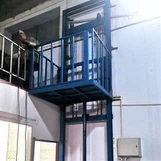
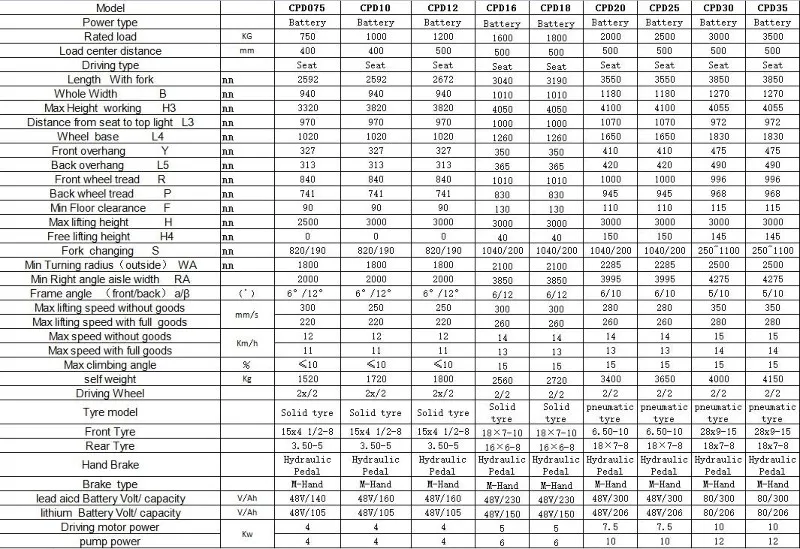
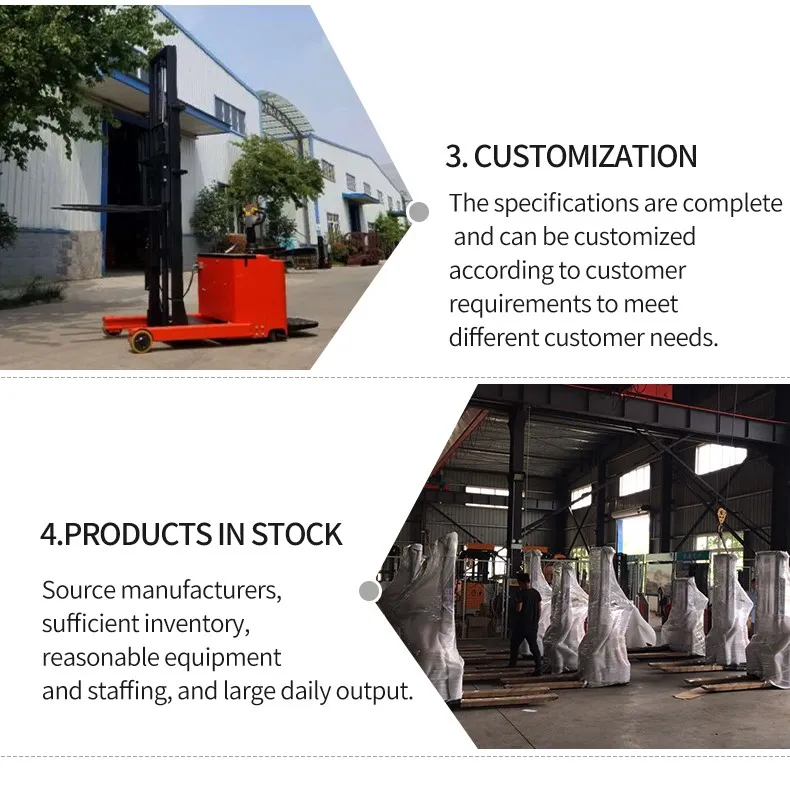
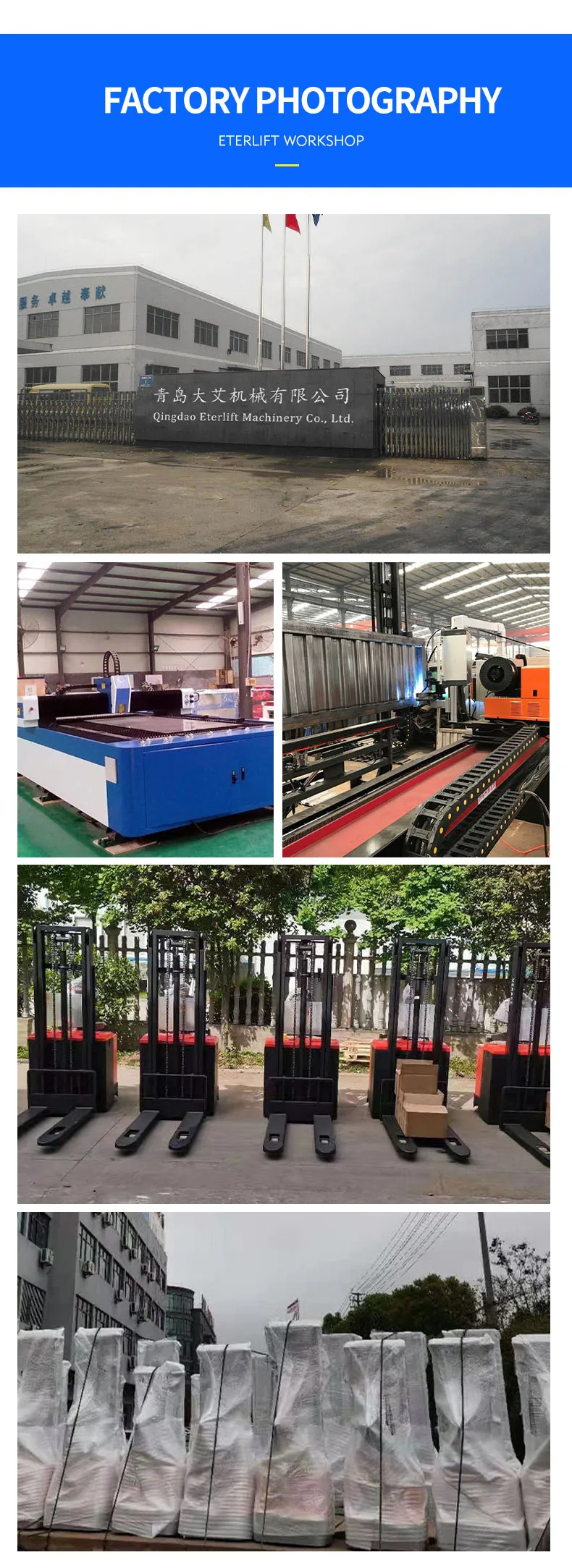
Qingdao Eterlift Machinery Co., Ltd. is one of the leading manufacturers and suppliers of 4-wheel electric and diesel forklift in China, also supports customized service. As we have world-leading production equipment and strong manufacturing capabilities, we warmly welcome you to buy durable 4-wheel electric and diesel forklift made in China here from our factory.





Maintaining the electrolyte level in electric forklift batteries is a crucial aspect of their upkeep, directly impacting performance, longevity, and overall efficiency. The electrolyte, typically a solution of sulfuric acid and water, serves as the conductor for the electrochemical reactions within the battery, facilitating the flow of energy necessary for powering the forklift. Over time, electrolyte levels can decrease due to evaporation, electrolysis, or periodic watering needs, necessitating regular checks and replenishment to ensure optimal battery function.
Adding electrolyte to electric forklift batteries is a task that demands careful attention to detail and adherence to safety protocols. While the process itself may seem straightforward, overlooking proper procedures can lead to adverse consequences such as reduced battery performance, accelerated degradation, or even safety hazards. Therefore, understanding the importance of electrolyte maintenance and following recommended guidelines is paramount for operators and maintenance personnel alike.
One of the primary reasons for adding electrolyte to electric forklift batteries is to maintain the electrolyte's specific gravity within the optimal range. Specific gravity serves as a measure of the electrolyte's density relative to water and is a critical indicator of battery health. As batteries undergo charge and discharge cycles, the electrolyte's specific gravity can fluctuate, indicating changes in the state of charge and electrolyte concentration. By regularly monitoring and adjusting electrolyte levels, operators can ensure that the battery operates within its designated parameters, maximizing performance and longevity.
Another key consideration when adding electrolyte is the importance of maintaining proper electrolyte-to-water ratio. Deviations from the recommended ratio can affect the electrolyte's conductivity and overall performance, potentially leading to diminished battery capacity and efficiency. Therefore, adhering to manufacturer specifications and using distilled water of suitable quality for electrolyte replenishment is essential to avoid adverse effects on battery operation.
Safety is of utmost importance when handling electrolyte, given its corrosive nature and potential hazards. Personal protective equipment (PPE) such as gloves, goggles, and aprons should be worn during the electrolyte replenishment process to minimize the risk of skin contact or exposure to fumes. Additionally, adequate ventilation in the battery charging area is necessary to disperse any potentially harmful gases emitted during the process.
In summary, adding electrolyte to electric forklift batteries is a critical maintenance task that requires attention to detail, adherence to safety protocols, and an understanding of the factors influencing battery performance. By maintaining proper electrolyte levels, operators can optimize battery function, extend lifespan, and ensure the reliable operation of electric forklifts in industrial settings.

Hot Tags: 4-wheel electric and diesel forklift, China, manufacturers, suppliers, factory, customized, buy, cheap, for sale, made in China, 3m 1 5ton Electric Pallet Stacker, 3m Electric Stacker Forklifts For Shops, Electric Reach Pallet Stacker Truck, Electric Stacker, Full electric Pallet Stacker Forklift, Full Electric Standing on Riding Pallet Truck