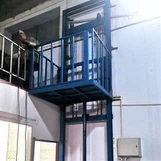
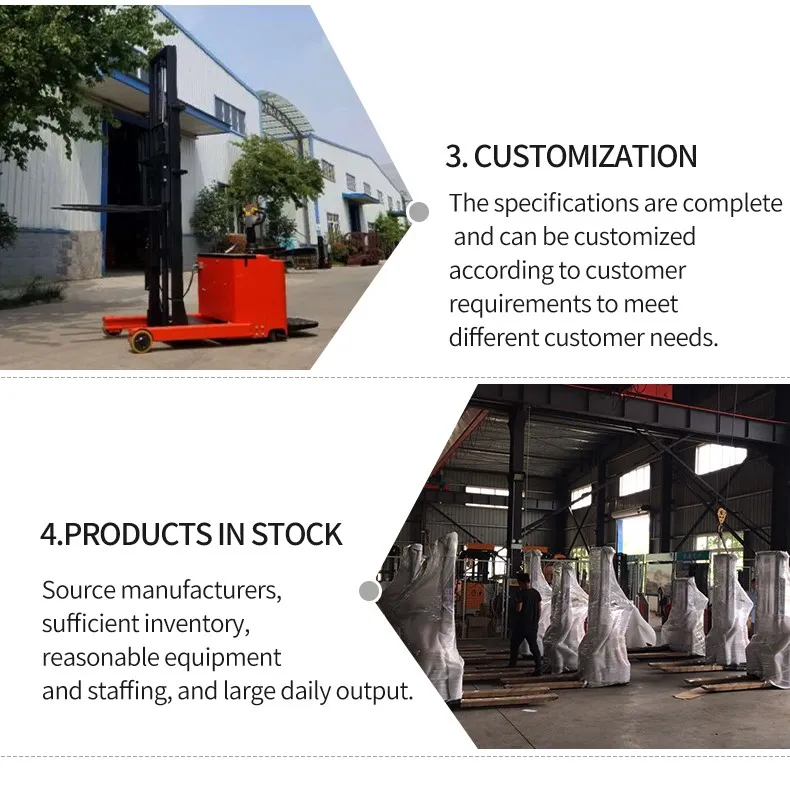
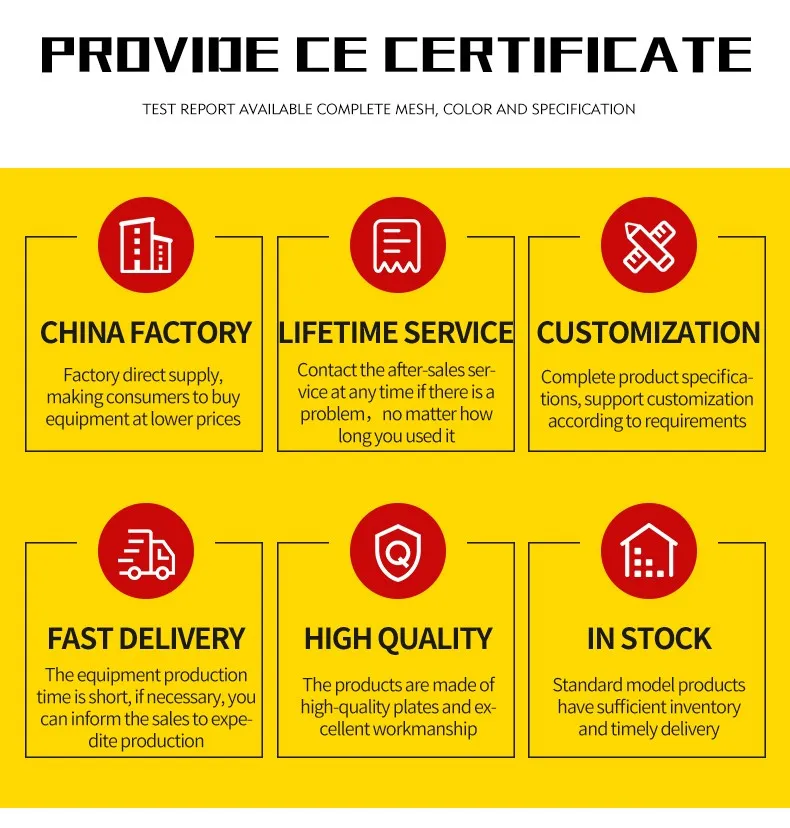
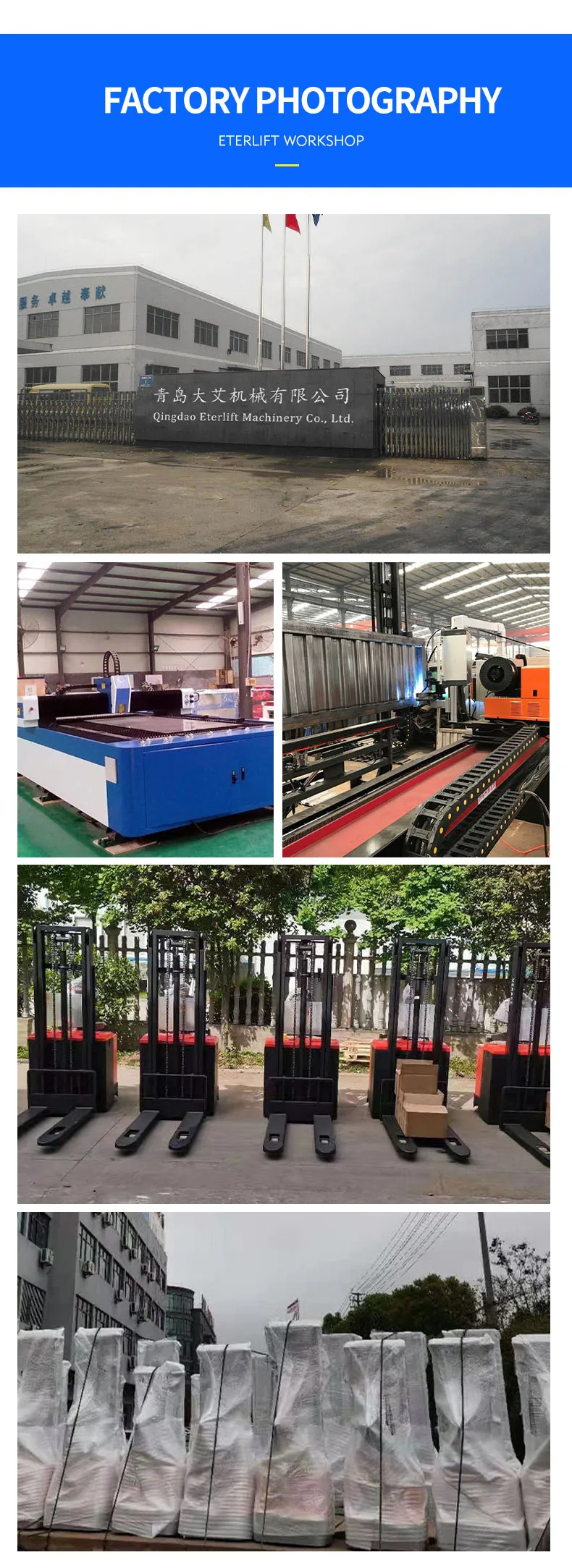
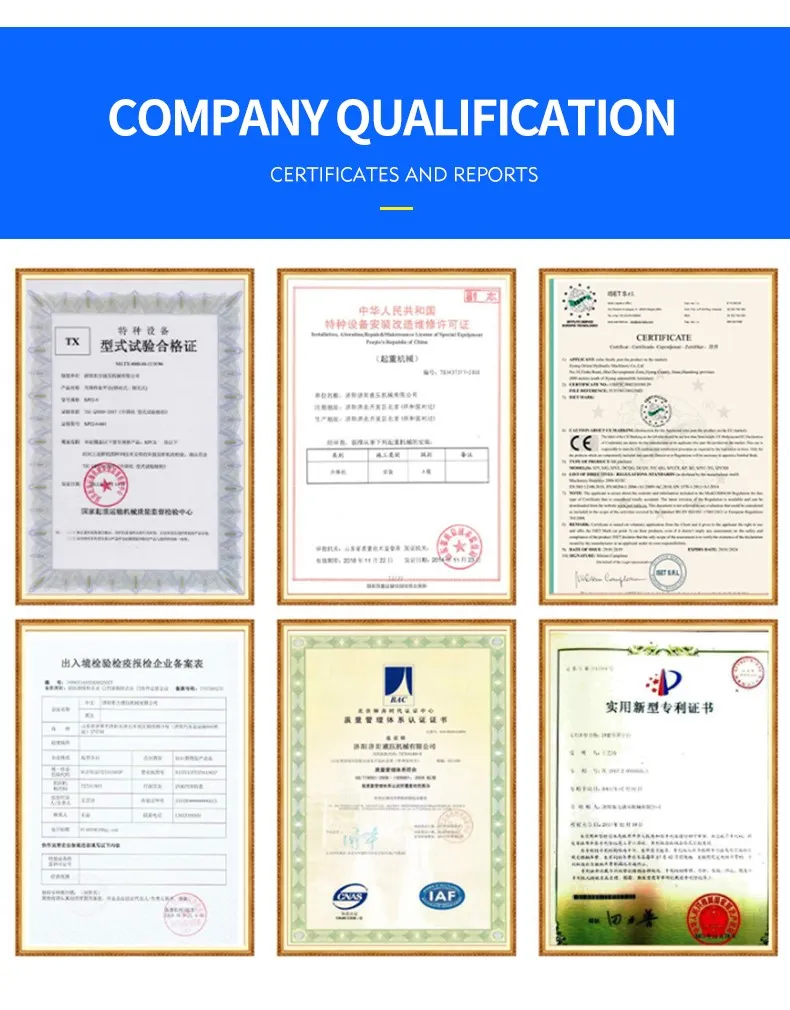
Qingdao Eterlift Machinery Co., Ltd. is one of the leading manufacturers and suppliers of electric forklifts in stock in China, also supports customized service. As we have world-leading production equipment and strong manufacturing capabilities, we warmly welcome you to buy durable electric forklifts in stock made in China here from our factory.


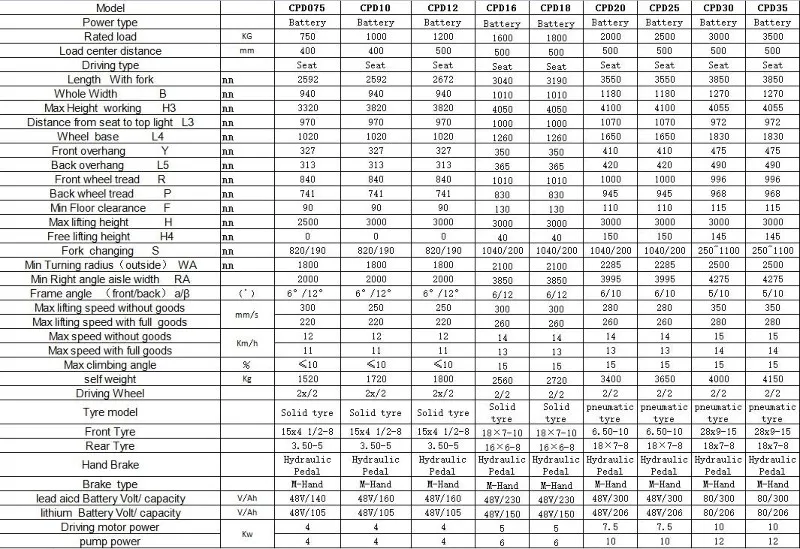

As electric forklifts become more popular in the world of material handling, the demand for efficient and reliable batteries also increases. Battery technology has come a long way, and there are now many types of batteries available that can power electric forklifts. These batteries have different characteristics, advantages, and disadvantages, and it's important to understand the different types to choose the one that best suits your operation.
Lead-Acid Batteries
The most commonly known electric forklift battery is the lead-acid battery. They have been used for decades and still dominate the forklift market. They are affordable, reliable, and easy to maintain. The lead-acid battery operates by converting chemical energy into electrical energy and consists of lead and lead oxide plates submerged in sulfuric acid. The battery emits gases when it charges, and it needs to be topped off regularly with water.
Typical lead-acid batteries have a lifespan of approximately 1,500 cycles or five years of use in moderate applications. The batteries come in various sizes and usually range from 24 to 80 volts, making it easy to match the battery voltage to the forklift's requirements. However, lead-acid batteries take longer to charge which can impact the forklift's productivity. They may also produce acid spills if not maintained regularly.
Lithium-Ion Batteries
Lithium-ion batteries are becoming increasingly popular in the electric forklift industry. They have superior energy density, more extended life cycles, and their increased efficiency drives forklifts further before needed to recharge. Lithium-ion technology operates on a chemical process that uses lithium oxide as a cathode and carbon as an anode. They don't emit gases, and they don't need water, making them virtually maintenance-free. Lithium-ion batteries can be charged faster and usually receive a full charge in less than two hours.
A typical lithium-ion battery can last up to 3,000 cycles or ten years of use. They are generally more expensive than lead-acid batteries, but they make up for this cost by their longer life and increased productivity. Lithium-ion forklift batteries are great for single-shift operations with high-denominations and last for an average of eight hours a day before recharging.
Nickel-Iron Batteries
Unlike lead-acid batteries, nickel-iron batteries don't rely on sulfuric acid to generate power. Instead, they use an electrolyte blended with potassium hydroxide and iron. The nickel-iron battery is tough and capable of handling extreme temperatures ranging from -50 to 60 degrees Celsius, making them ideal in frozen and hot environments. They are environmentally friendly as they don't need watering and are easier to recycle than lead-acid batteries.
Nickel-iron batteries, however, have their disadvantages. They weigh more and are larger than other types of batteries, which means they may not be suitable for certain forklift models. They might also require more regular maintenance than lithium-ion batteries, and the charging process takes much longer, typically up to twelve hours.
Nickel-Metal Hydride Batteries
Nickel-metal hydride batteries contain a nickel-hydrogen absorbing alloy and are relatively new in the market. They have higher energy density than lead-acid batteries and are smaller, more lightweight. Nickel-Metal Hydride batteries also deliver around 30% more working time than lead-acid batteries. They don't emit harmful gases or liquids, making them great for the environment. Nickel-metal hydride batteries have minimal maintenance requirements.
The drawback of nickel-metal hydride batteries is that they are expensive, and though they have more extended life cycles, ten years maximum, they still have shorter life cycles than lithium-ion batteries. Nickel-metal hydride batteries are also prone to voltage drops which might destruct the battery if the charge level gets too low.
Conclusion
Forklift operators have to weigh the cost and operational impacts of different battery types when picking a battery. It's essential to identify the right battery that is reliable, efficient, and fits the forklift's operational requirements. When picking the best forklift battery for your operation, analyse the operational environment, budget and the battery's charging characteristics. By taking all of these into consideration, you can choose the right battery for your electric forklift that satisfies the application's needs.

Hot Tags: electric forklifts in stock, China, manufacturers, suppliers, factory, customized, buy, cheap, for sale, made in China, 1500kg Electric Walking Stacker Forklift, Electric Reach Pallet Stacker Truck, Electric Walkie Pallet Stacker, Industrial Handling Vehicle Electric Stacker Forklifts, Stacker For Handing Pallet, Straddle Stacker Forklift